

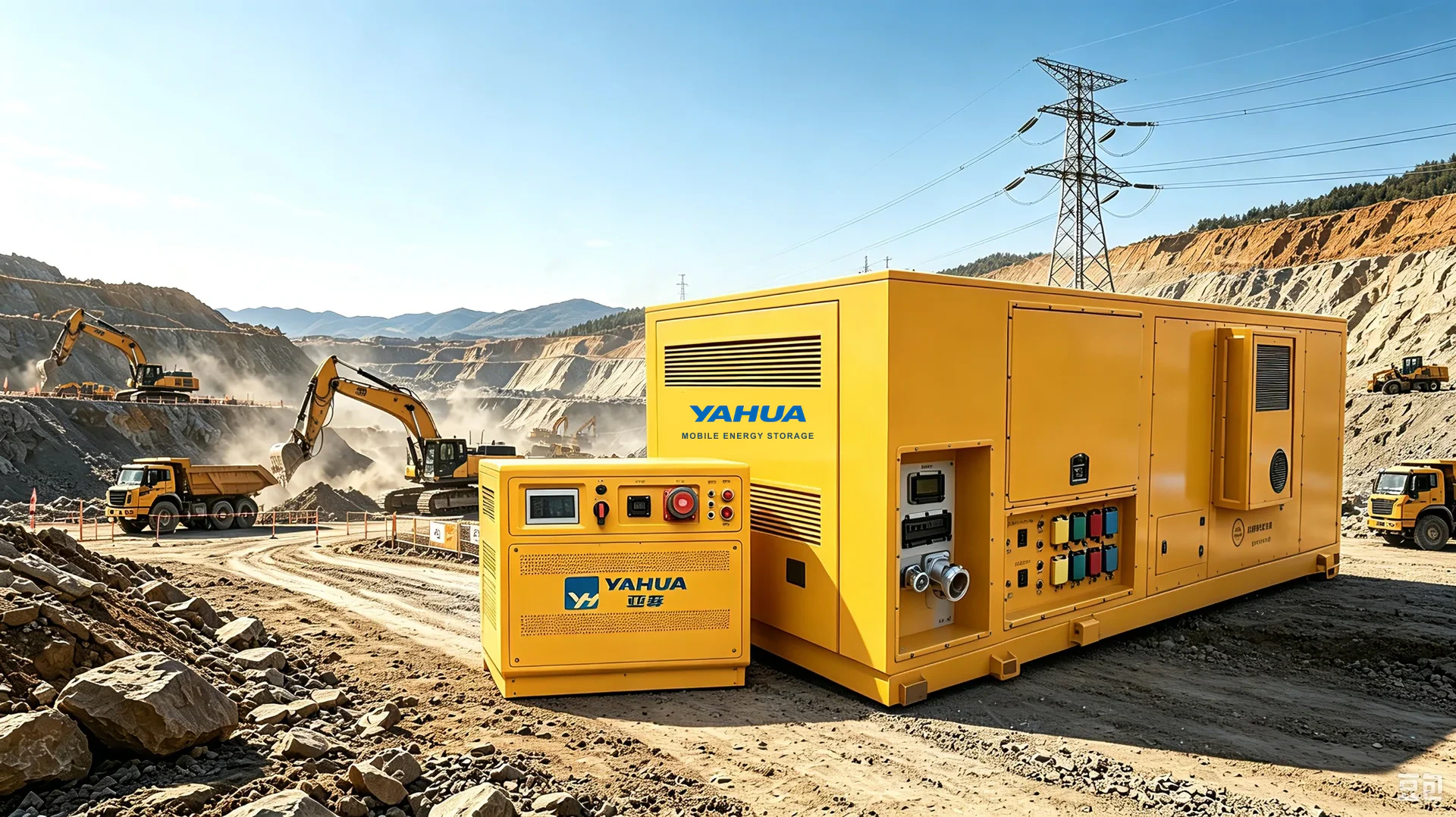
Energy systems built to perform.
From battery platforms to integrated storage systems, YAHUA develops configurable LiFePO4 solutions around real project requirements.
Discuss your project
Application solutions
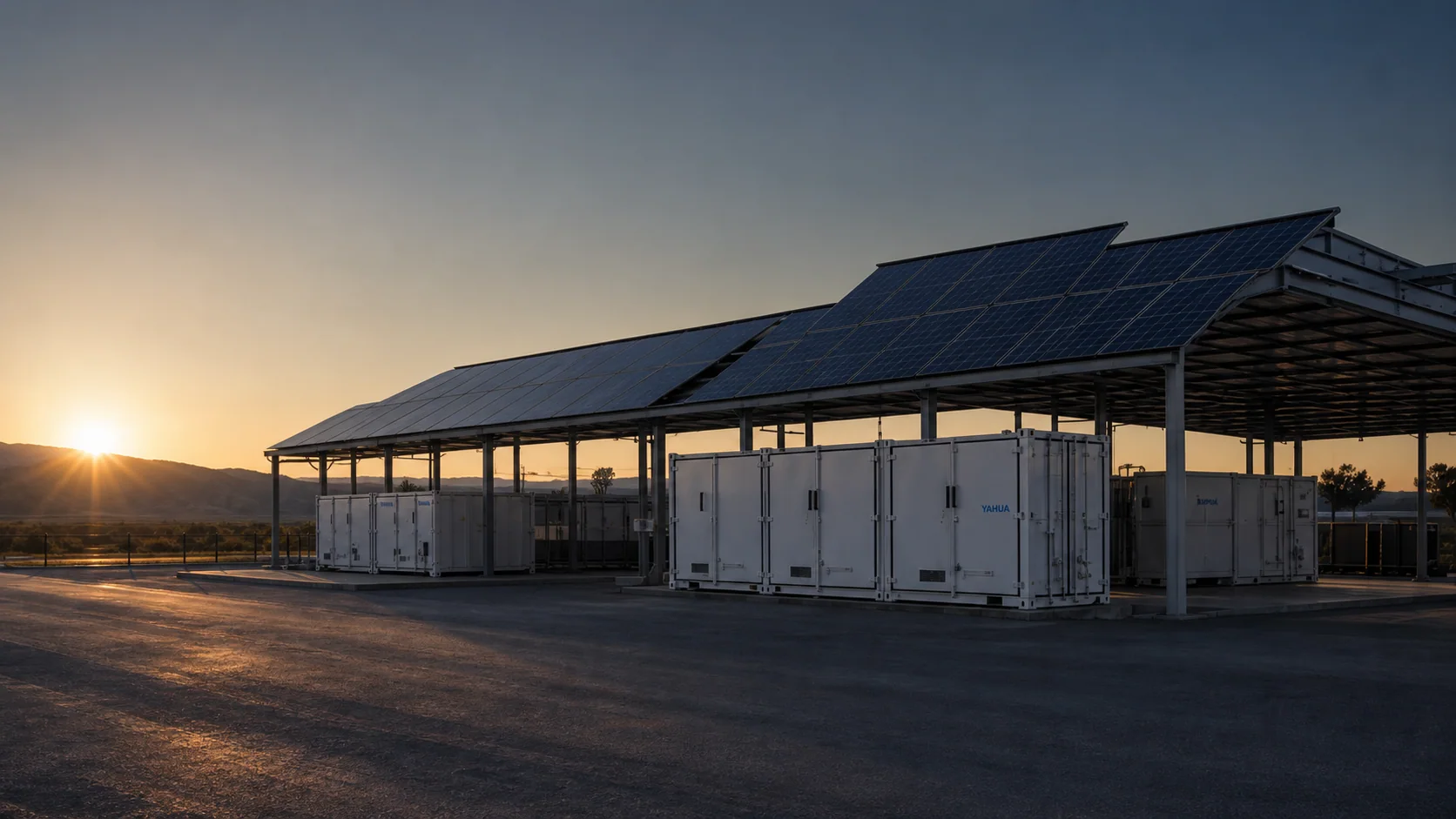
Solutions shaped by where energy is used.
From commercial sites to distributed infrastructure, our systems adapt to the way you produce, store and use energy.
Company
Manufacturing foundations. A new energy focus.
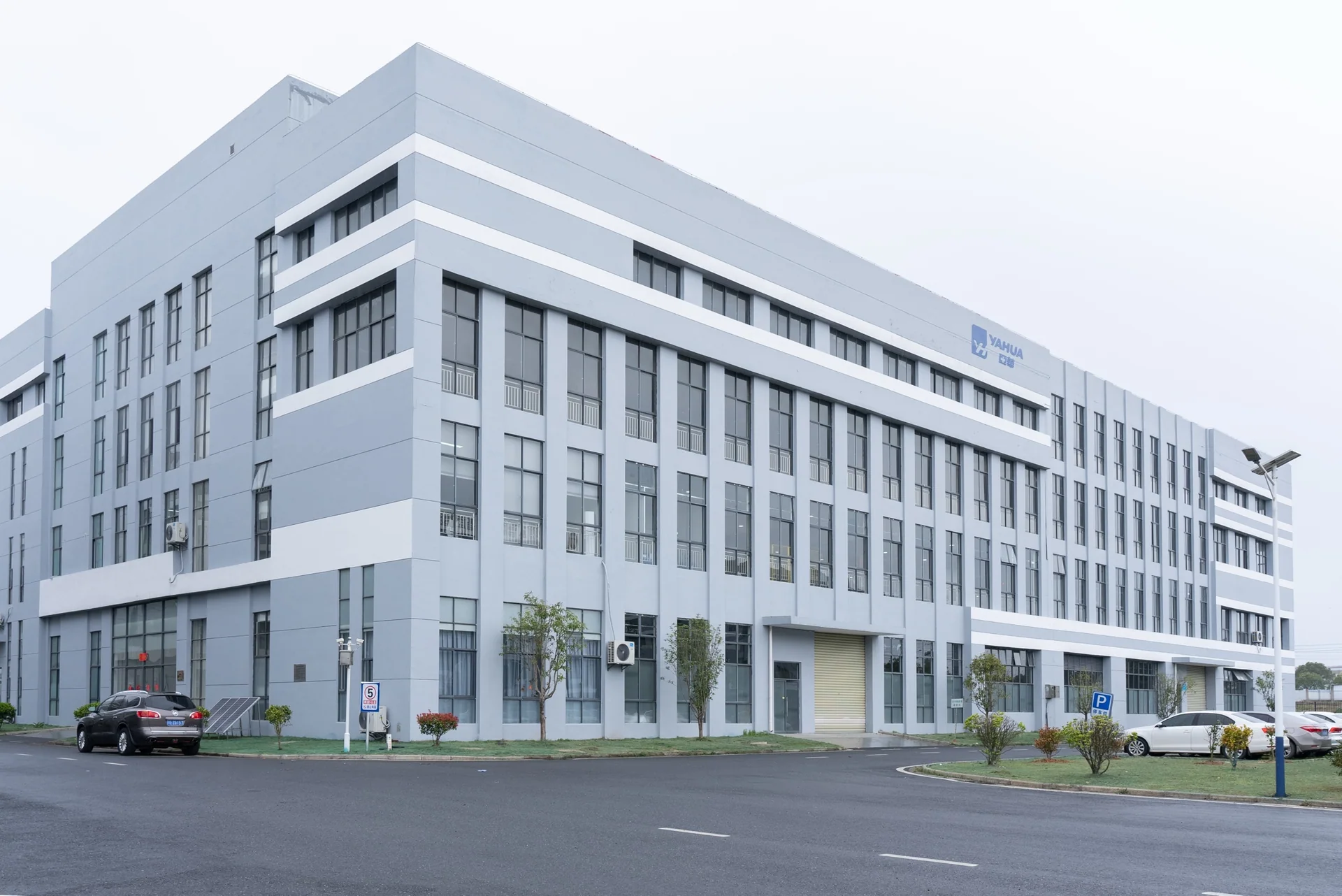
Jiangxi Yahua New Energy Technology Co., Ltd. is the core new-energy subsidiary of YAHUA Group, based in the Gongqingcheng High-tech Manufacturing Industrial Park in Jiujiang, Jiangxi.
Building on the Group’s manufacturing experience dating back to 1985, YAHUA develops, manufactures and supplies lithium battery and energy storage systems for residential, commercial, industrial and mobile applications.
The beginning of YAHUA’s manufacturing development.
Manufacturing operations expanded through the establishment of Guangdong YAHUA.
The group added a production base in Jiangxi.
The establishment of HUA JIAO COMPANY LIMITED in Hong Kong and the group’s move into new energy expanded its business scope.
Jiangxi Yahua New Energy Technology Co., Ltd. was registered in Gongqingcheng.
The local 250,000-set lithium battery project entered production and was recorded as completed.
The new-energy business continued to expand its product, engineering and international-market capabilities.
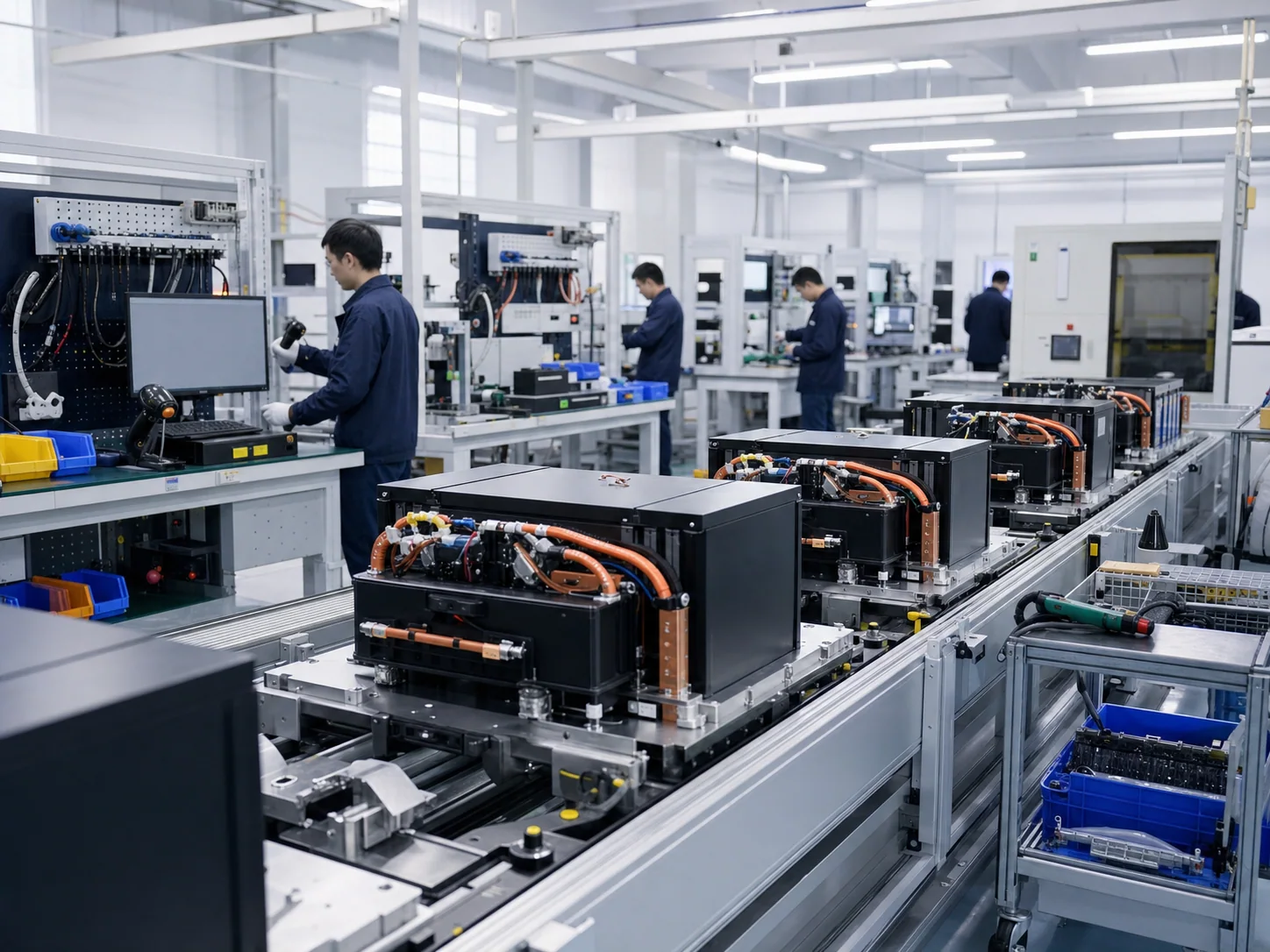
Manufacturing
Quality made visible.
A disciplined production and validation journey built around consistency, traceability and project-specific requirements.
- Requirements
- Design
- Prototype
- Validation
- Production
- Support
Featured products
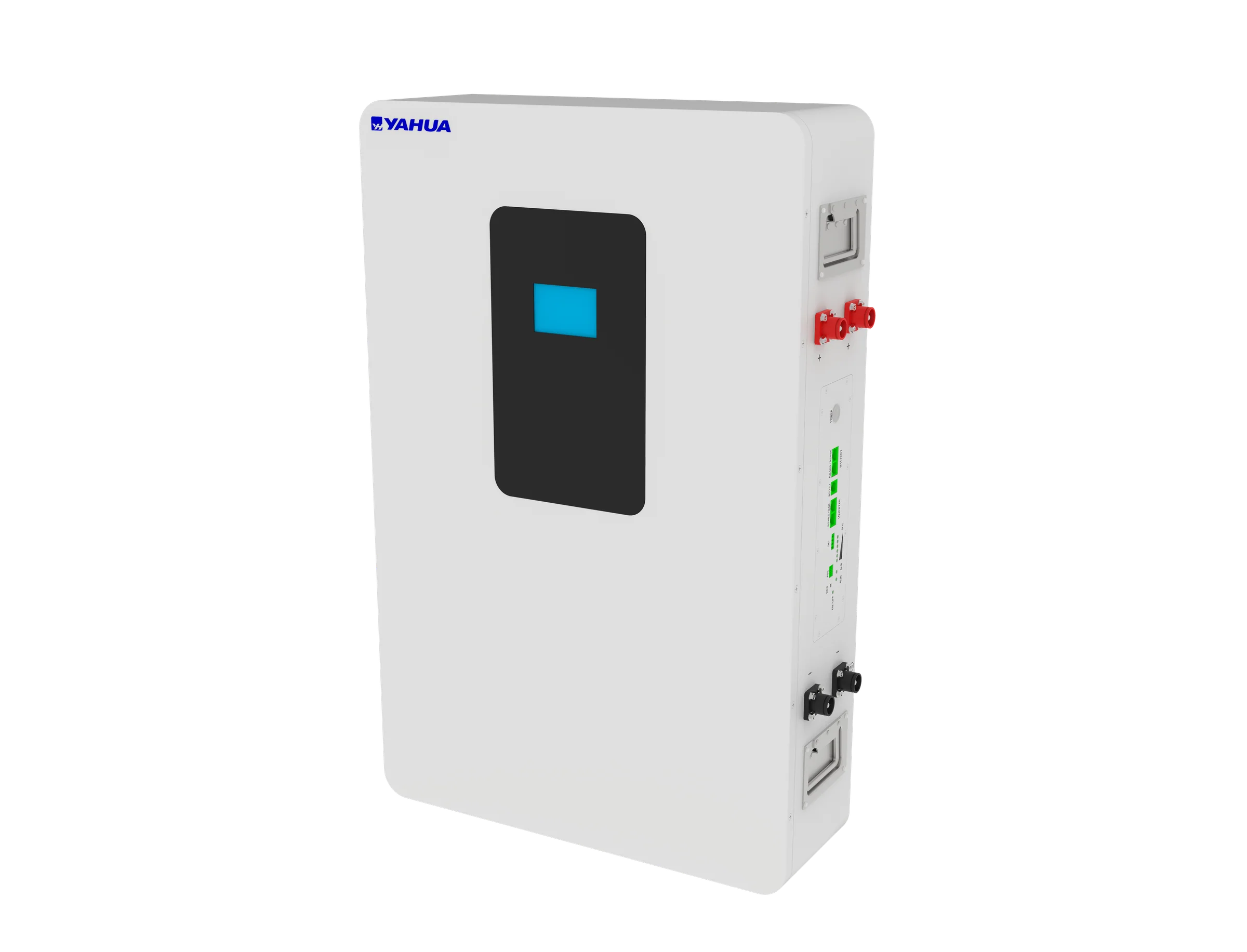
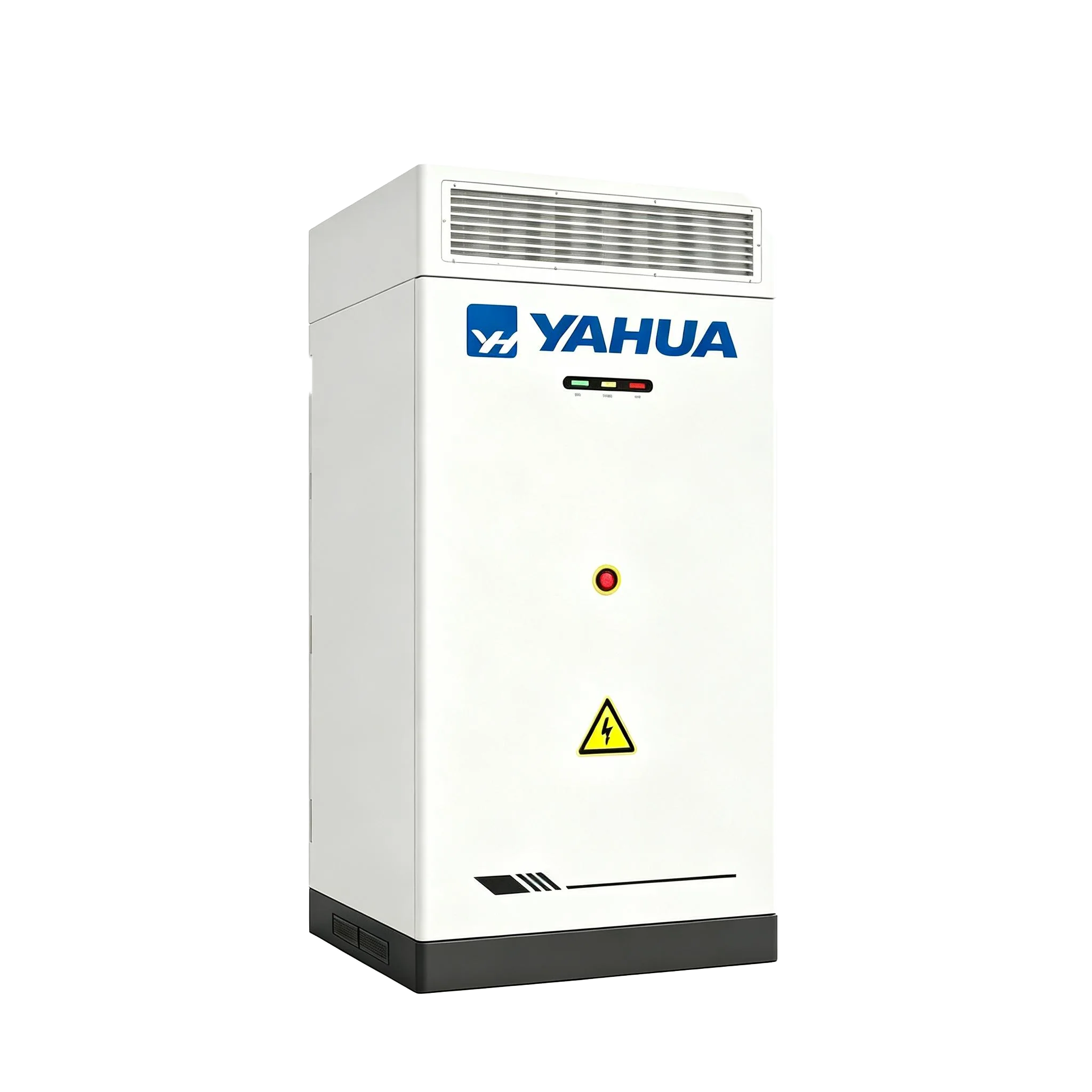
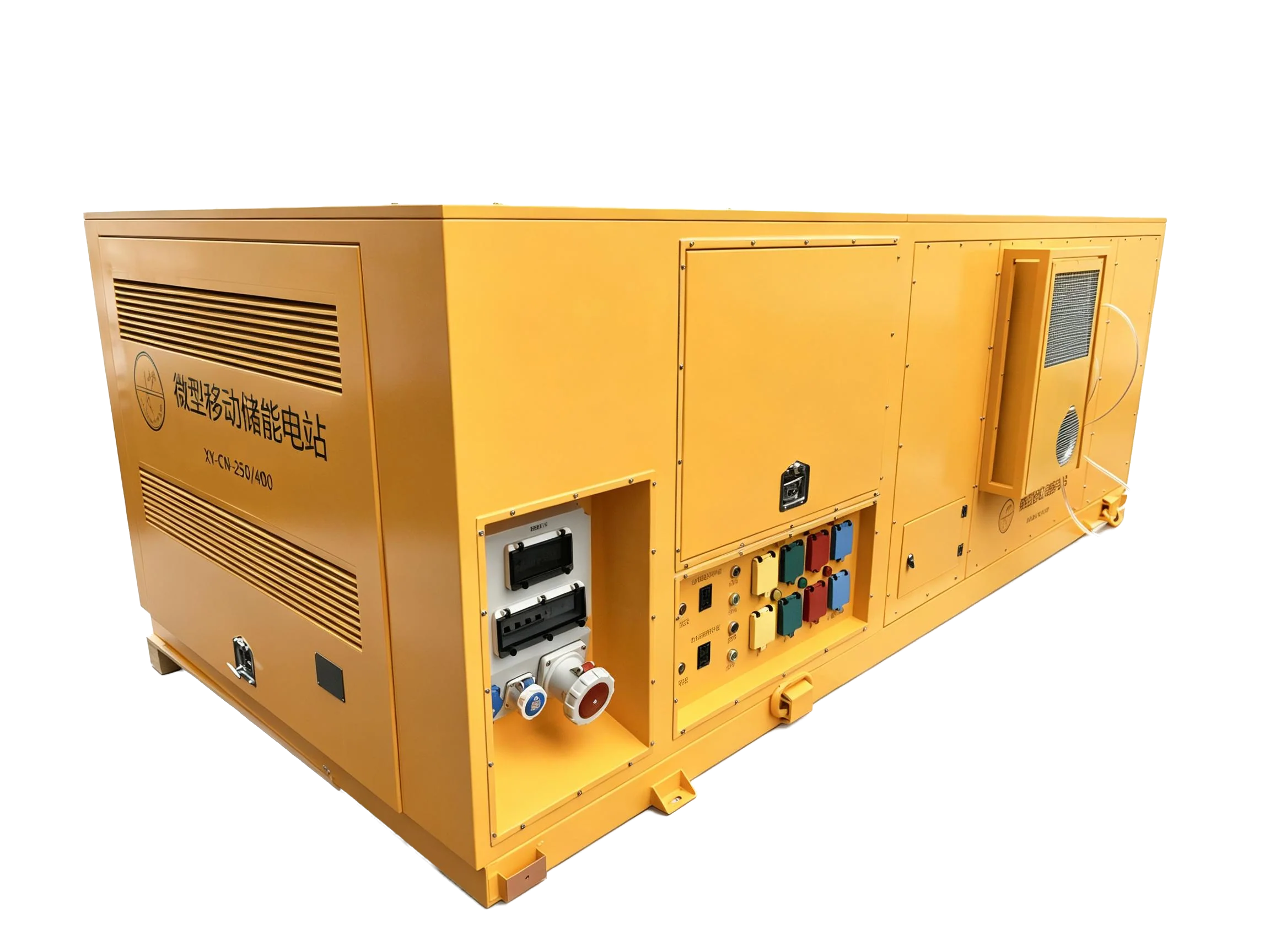
Four product series. Built for diverse applications.
Explore product series for residential, commercial and industrial, mobile energy-storage and agricultural vehicle applications.
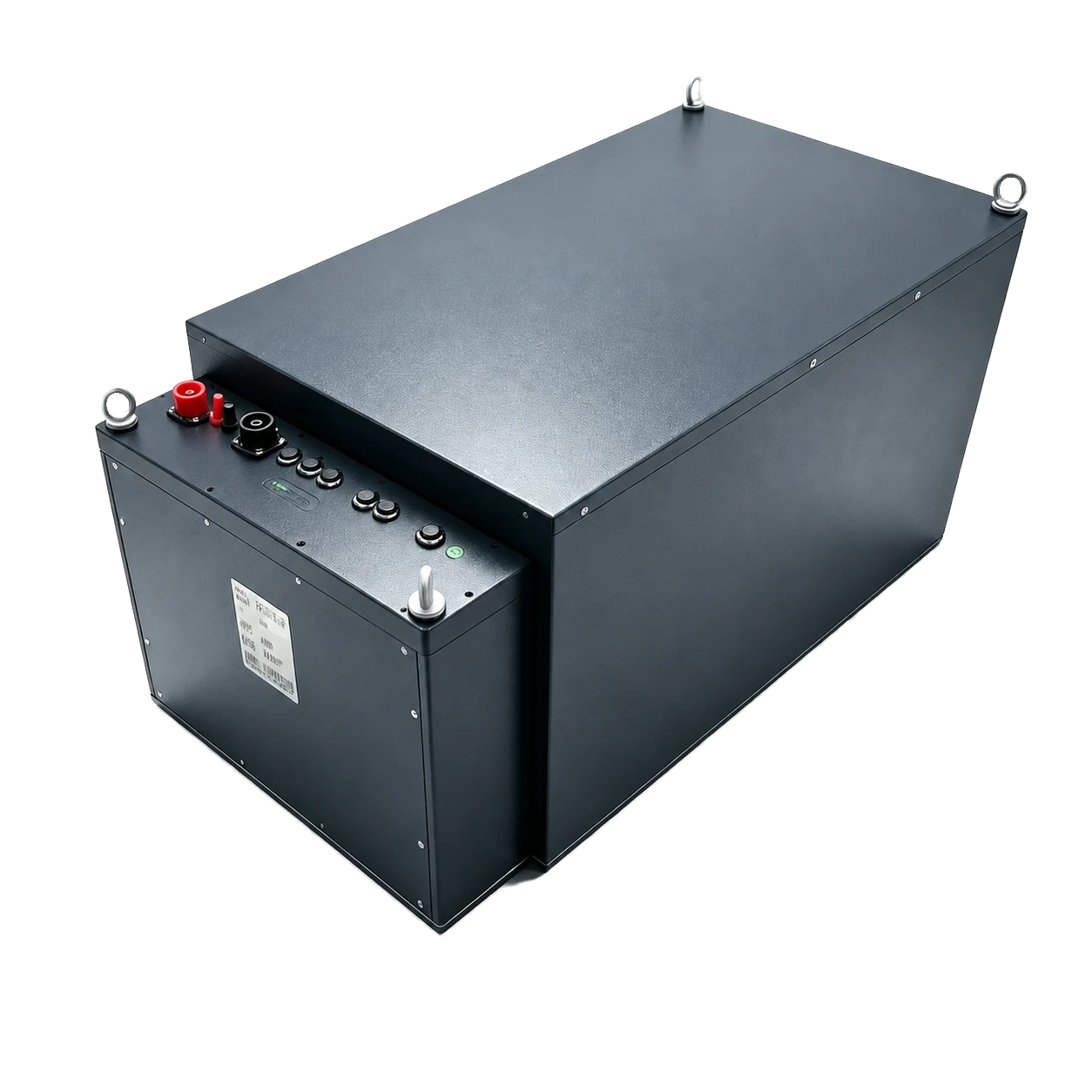
Customer cases
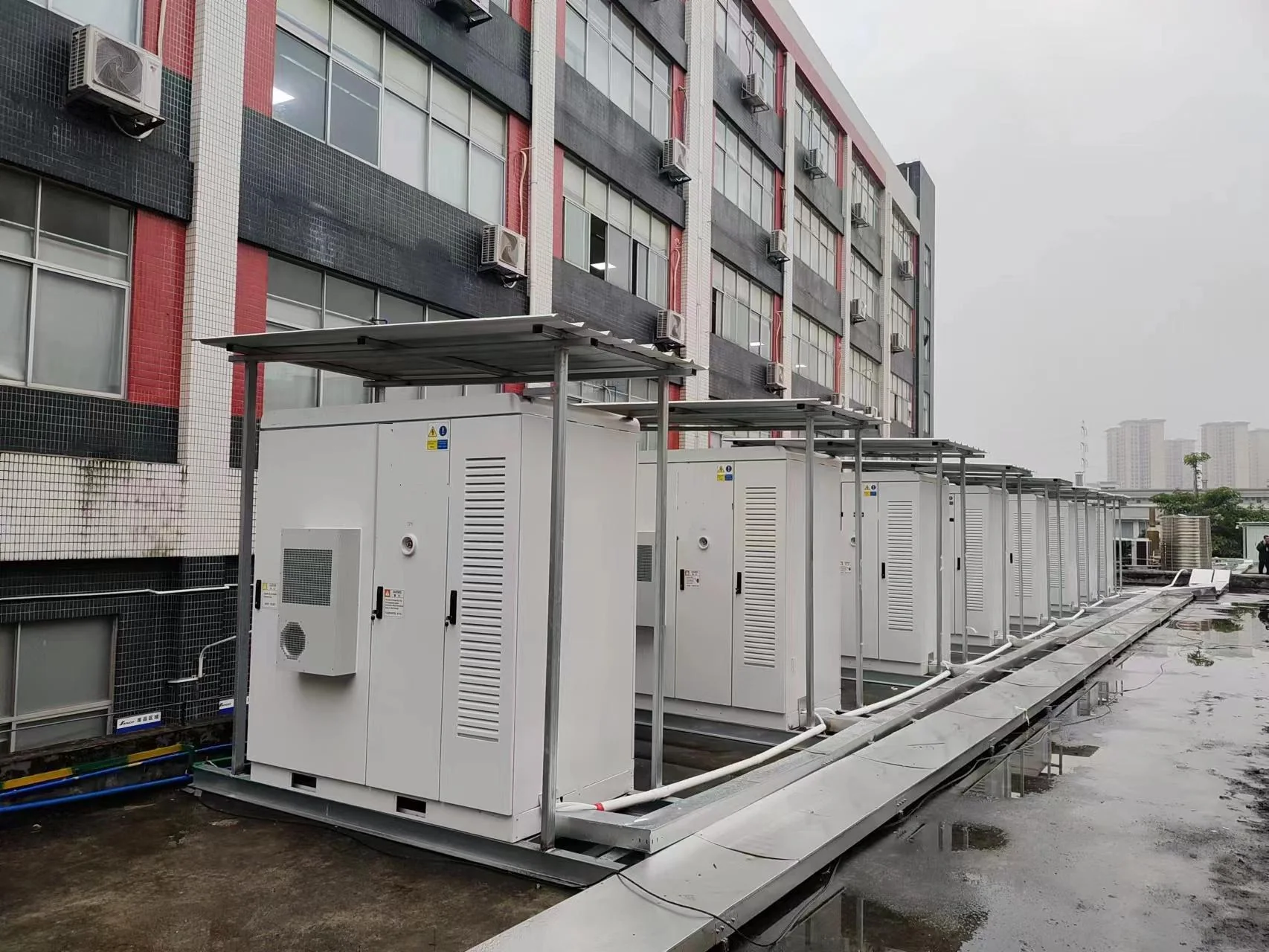
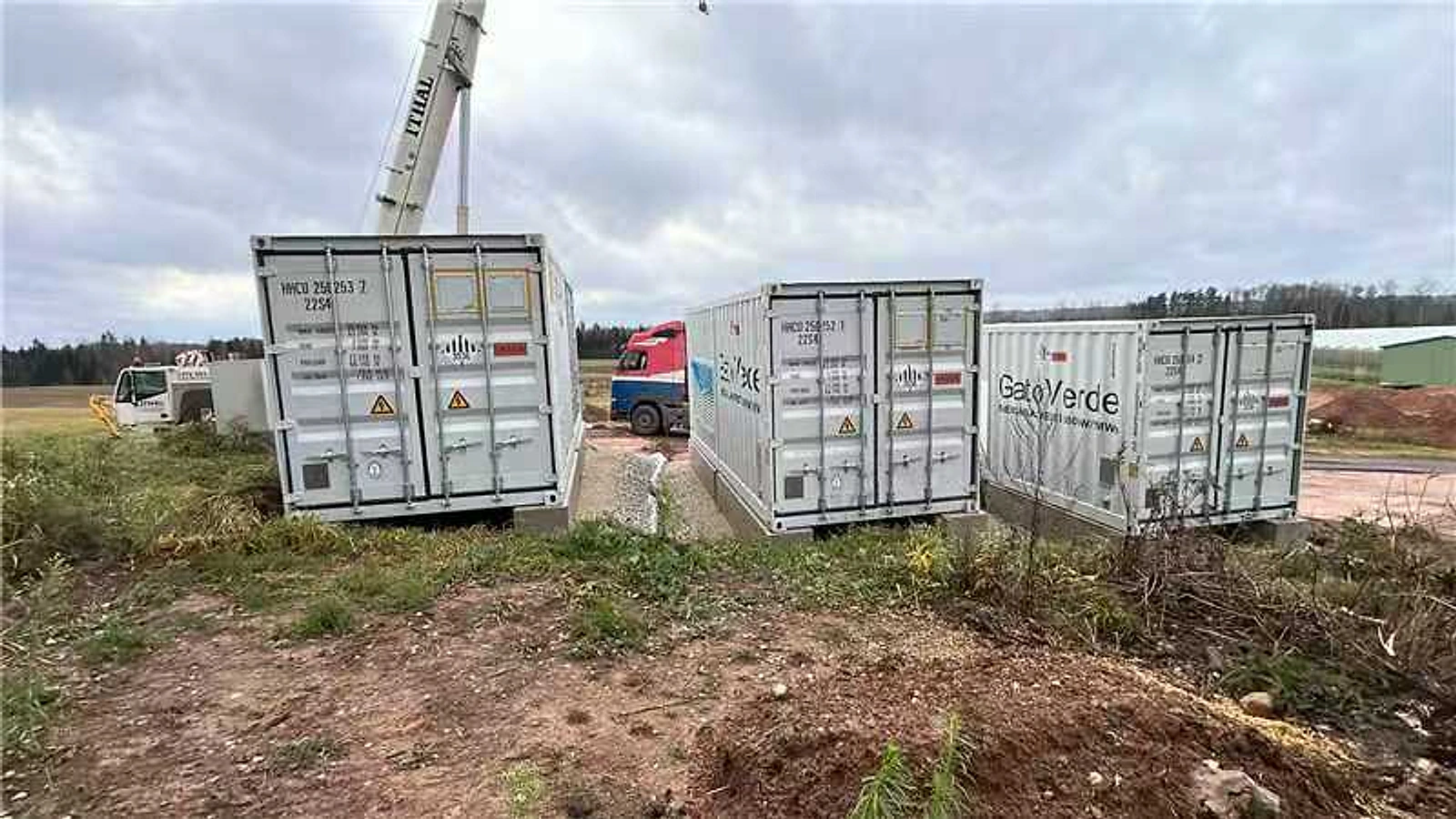
Customized energy systems. Delivered worldwide.
YAHUA provides customized battery and energy-storage systems for diverse applications, supporting customers across markets worldwide.
View all projects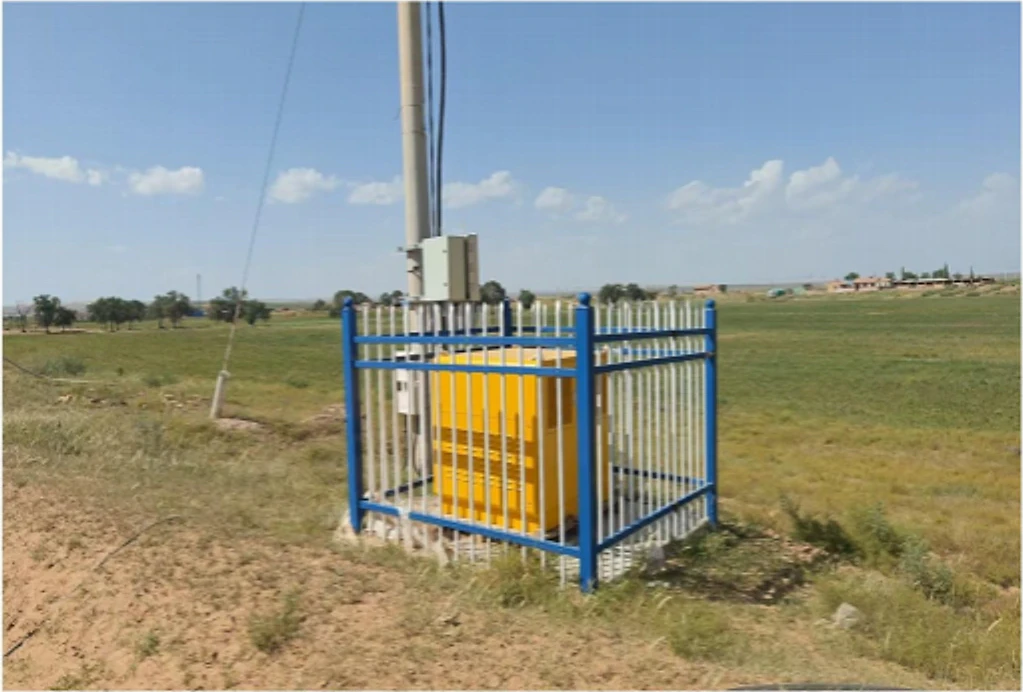
FAQ
Questions answered.
How safe are lithium-ion batteries?
Lithium iron phosphate (LiFePO4) batteries are known for strong thermal and chemical stability and are widely selected for demanding applications. No lithium battery is risk-free, so safe operation still depends on correct system design, installation, charging, protection and use within the approved operating limits. LiFePO4 chemistry also avoids rare-earth metals and is generally considered an environmentally responsible battery choice.
What is a battery management system (BMS), and what does it do?
A battery management system monitors battery conditions and applies protection logic for factors such as overvoltage, undervoltage, overcurrent, temperature and external short circuits. It can disconnect the battery when an unsafe operating condition is detected. YAHUA battery products integrate a BMS appropriate to the product design; its location, communication functions and protection settings vary by model.
What is the life expectancy of a YAHUA battery?
Many YAHUA LiFePO4 products are rated for approximately 5,000 cycles or more, while the exact cycle life depends on the model, depth of discharge, charge and discharge rate, temperature and operating conditions. The typical design-life target is around ten years, and YAHUA provides a ten-year warranty. Long cycle life can reduce replacement frequency and total ownership cost compared with lead-acid batteries.
What should I consider when replacing a lead-acid battery with LiFePO4?
Confirm the required voltage, usable capacity, continuous and peak power, enclosure size, weight, connectors, BMS settings and charger profile. LiFePO4 may deliver the required runtime with a smaller nominal capacity in some applications, but the replacement must be evaluated against the host equipment, counterweight requirements and actual duty cycle. For best compatibility, use the charger approved for the selected YAHUA battery.