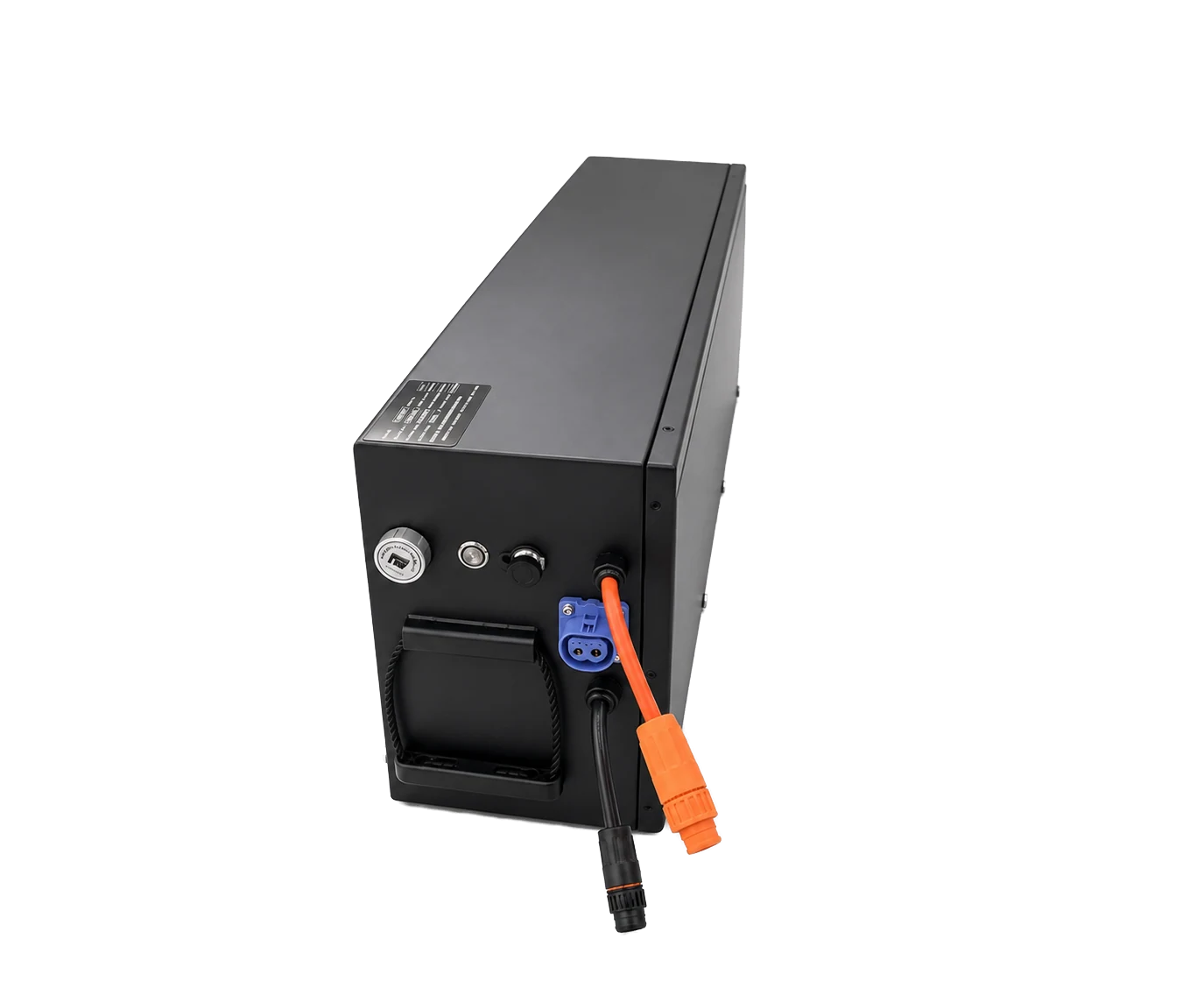

BYH 51.2V golf-cart series
Golf Cart Batteries
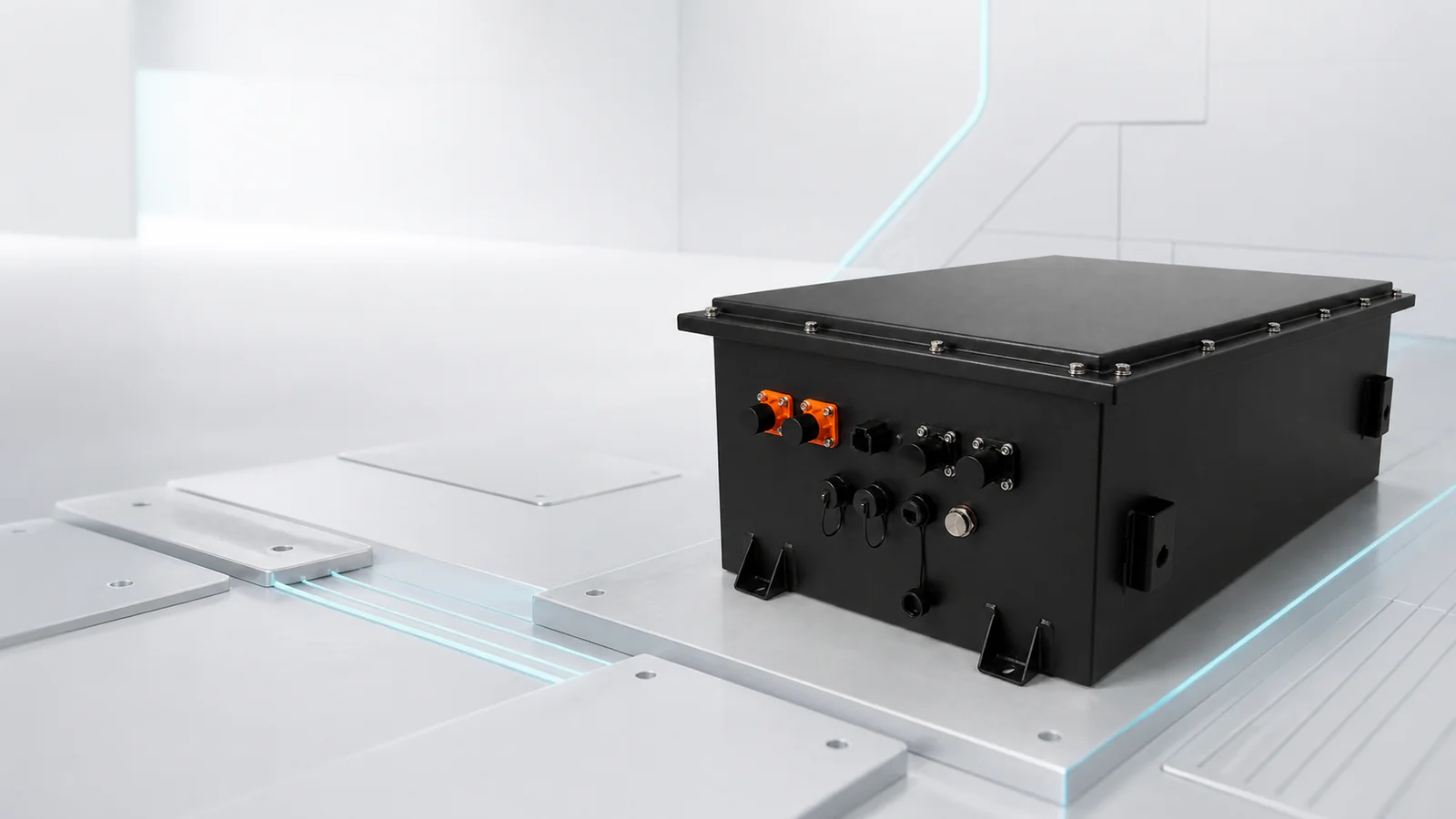
IP67 LiFePO4 golf-cart batteries in 105Ah and 300Ah configurations, covering 5.376 kWh and 15 kWh energy requirements.

Model range
Select a configuration.
Product overview
Built around the application.
YAHUA golf-cart batteries provide two energy classes for passenger, utility and specialty mobility platforms. Final selection should be matched to motor power, peak current, regenerative behavior, expected range, charger compatibility and vehicle packaging.
Two capacity classes
Choose between a compact 5.376 kWh pack and a 15 kWh high-capacity configuration.
IP67 enclosure protection
Both models specify IP67 protection for outdoor vehicle operation.
High-current capability
Continuous discharge values of 130A and 200A address different vehicle duty requirements.
Product features
System advantages
Integrated BMS protection
BMS functions include overcharge, over-discharge, overcurrent, short-circuit and temperature protection.
130A continuous discharge
The BYH48105AH supports a maximum continuous discharge current of 130A.
IP67 enclosure rating
The complete battery enclosure is rated IP67.
Vehicle integration support
Charger, communication interface and mounting requirements should be coordinated for the target vehicle.
Protection thresholds, connector assignments and vehicle communication details require application-specific confirmation.
Product features
System advantages
Integrated BMS protection
BMS functions include overcharge, over-discharge, overcurrent, short-circuit and temperature protection.
200A continuous discharge
The BYH512300AH supports a maximum continuous discharge current of 200A.
15 kWh energy class
The 300Ah configuration provides 15 kWh of battery energy.
Vehicle integration support
Charger, communication interface and mounting requirements should be coordinated for the target vehicle.
Protection thresholds, connector assignments and vehicle communication details require application-specific confirmation.
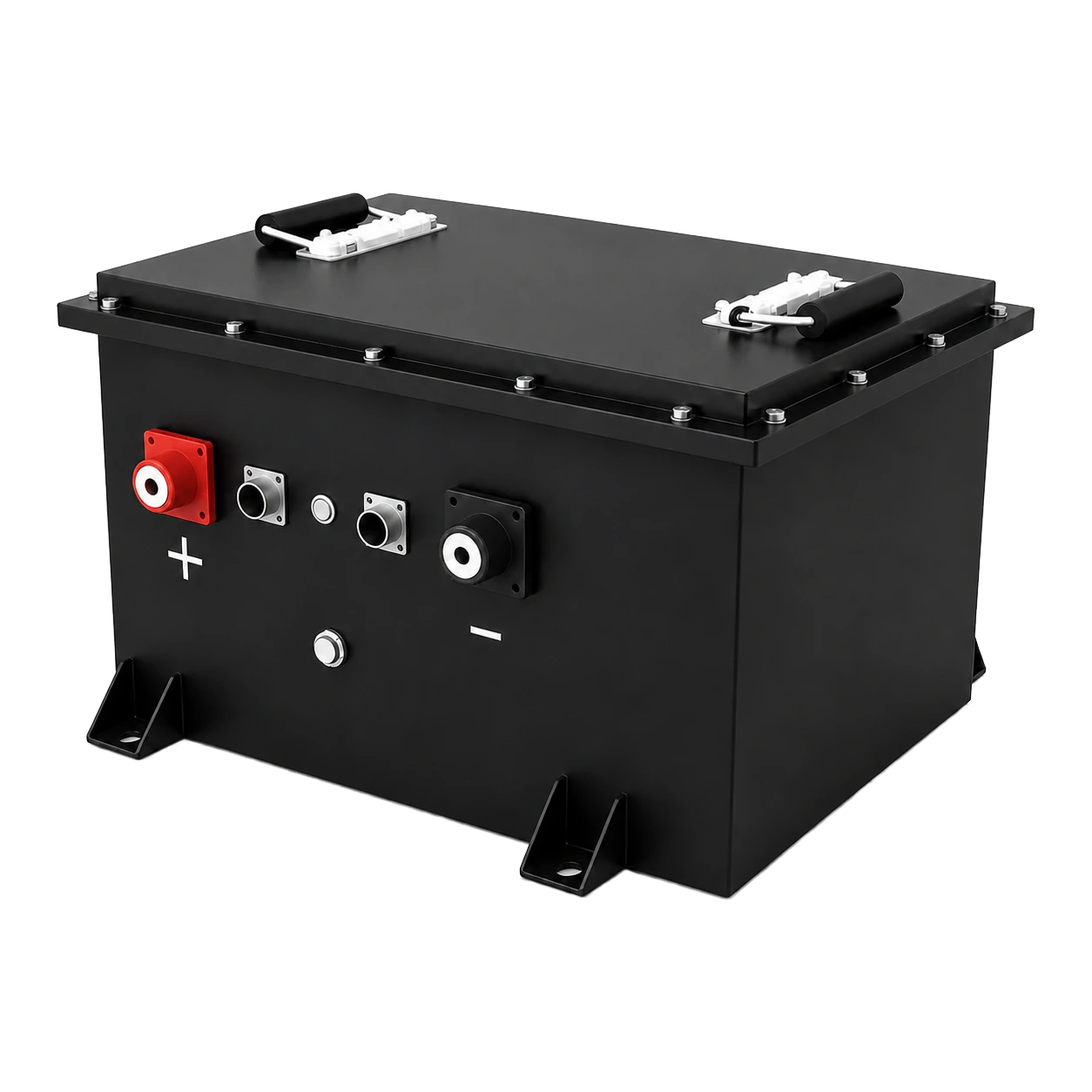
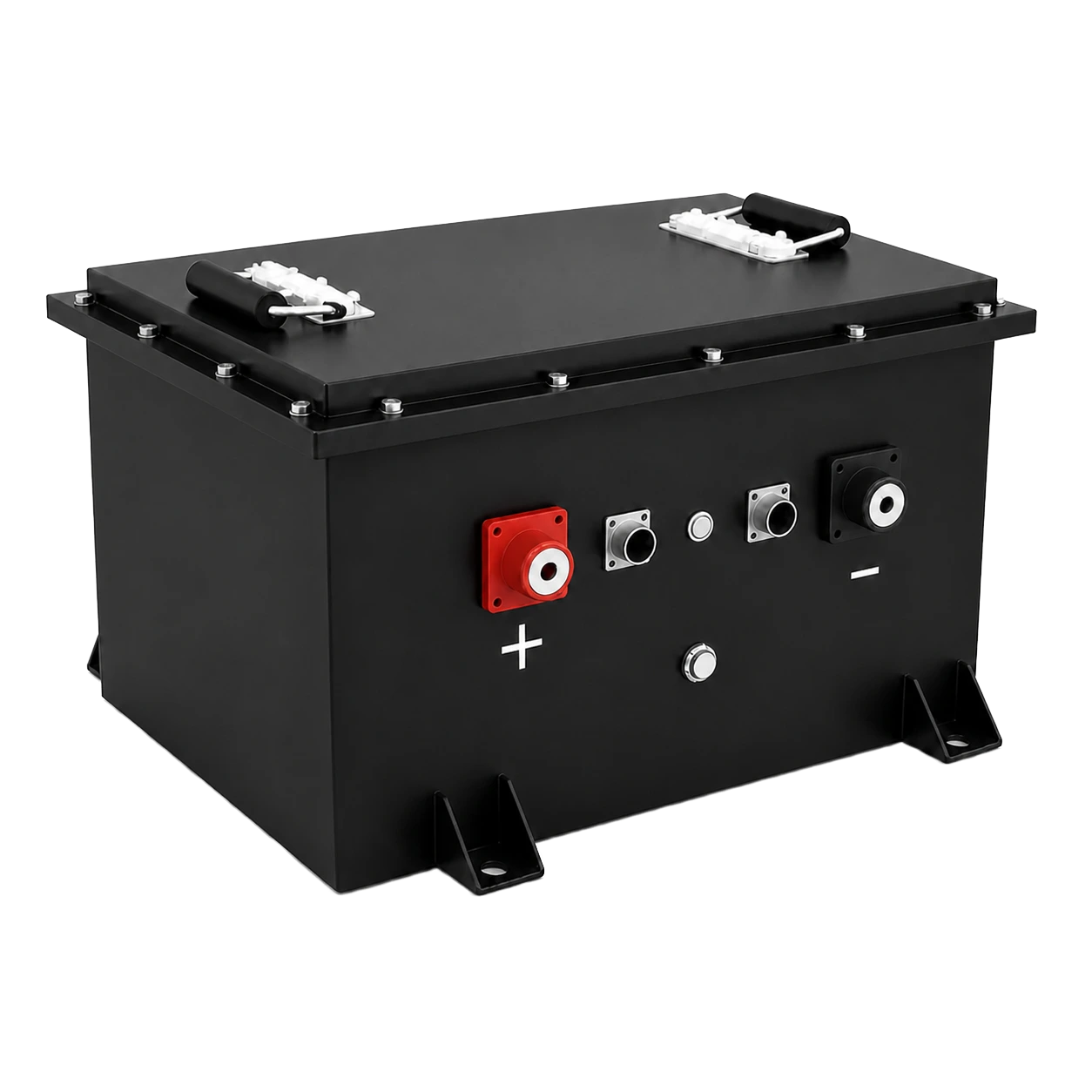
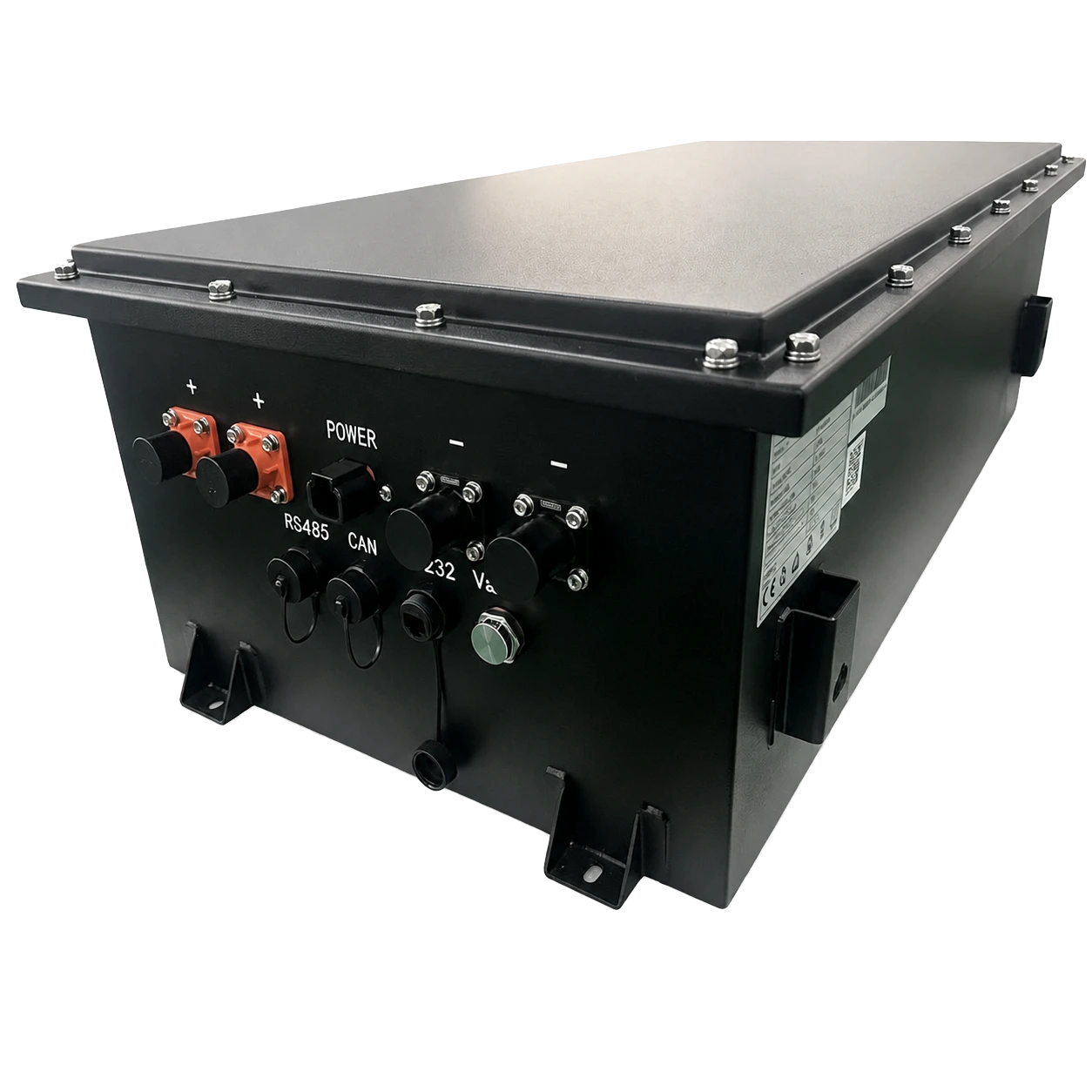
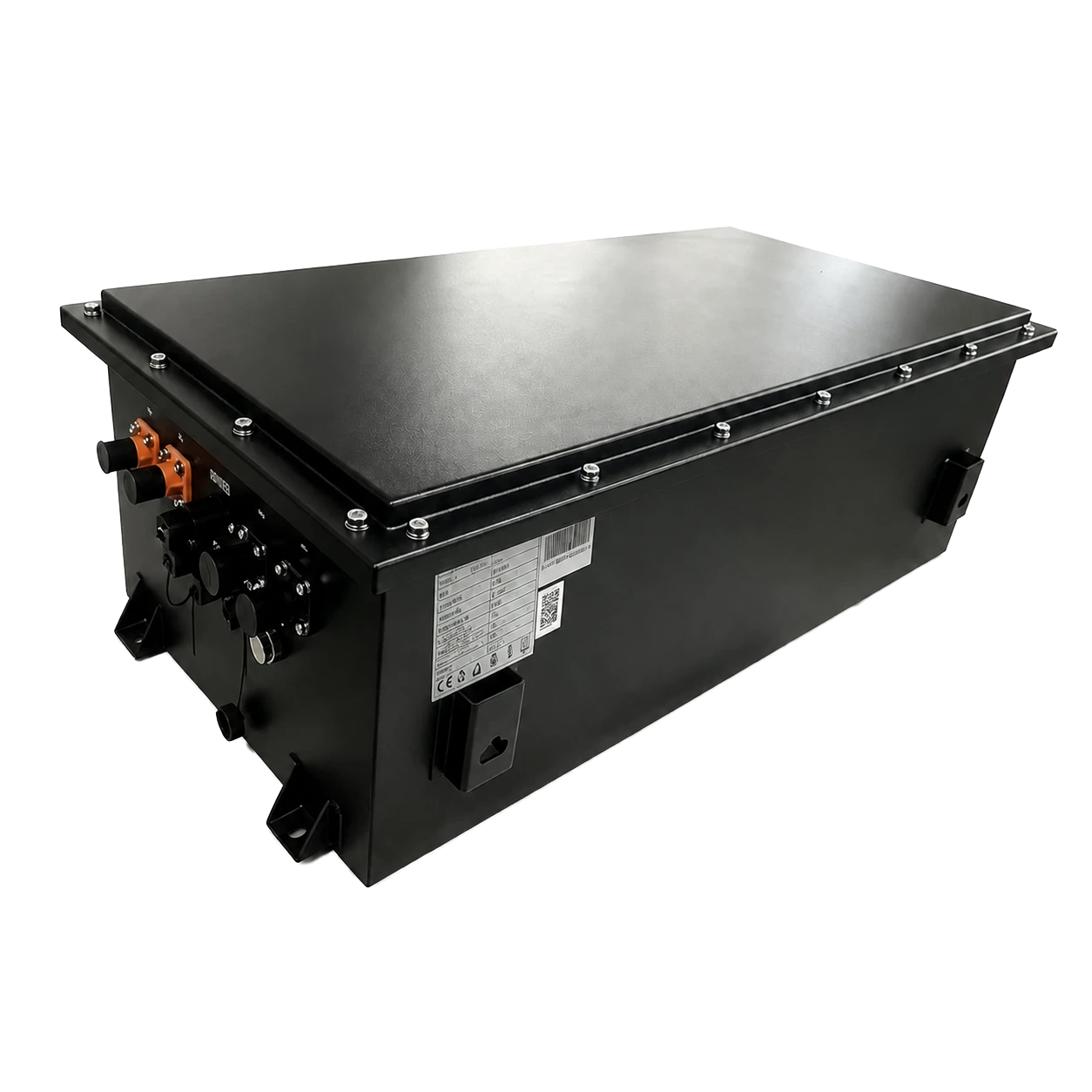
Product views
View the selected model.
Additional product views are shown where available for the selected model.
Product parameters
Model-specific specifications.
Compare the model-specific electrical, mechanical and operating parameters. Final configuration remains subject to application engineering.
- Model
- BYH48105AH
- Nominal voltage
- 51.2V
- Nominal capacity
- 105Ah
- Energy
- 5.376 kWh
- Battery type
- LiFePO4 lithium battery
- Maximum charge current
- 25–60A (0.2C–0.5C)
- Maximum continuous discharge current
- 130A
- Weight
- Approx. 48 kg / 105.80 lb
- Dimensions
- 565 × 330 × 253.6 mm
- Cycle life
- >5,000
- Certifications
- CE · IEC 62619 · UN38.3
- Charge temperature
- 0–60°C
- Discharge temperature
- -20–60°C
- Storage temperature
- 10–45°C
- Charge/discharge efficiency
- 100%
- IP rating
- IP67
CE · IEC 62619 · UN38.3
- Model
- BYH512300AH
- Nominal voltage
- 51.2V
- Nominal capacity
- 300Ah
- Energy
- 15 kWh
- Battery type
- LiFePO4 lithium battery
- Maximum charge current
- 200A
- Maximum continuous discharge current
- 200A
- Weight
- 125 kg / 275.58 lb
- Dimensions
- 522 × 563 × 295.5 mm
- Cycle life
- >5,000
- Certifications
- CE · IEC 62619 · UN38.3
- Charge temperature
- 0–60°C
- Discharge temperature
- -20–60°C
- Storage temperature
- 10–45°C
- Charge/discharge efficiency
- 100% at 0.2C
- IP rating
- IP67
CE · IEC 62619 · UN38.3
Applications
Where this family fits.
Model selection should follow the real load, duty cycle, interface, installation environment and destination-market requirements.
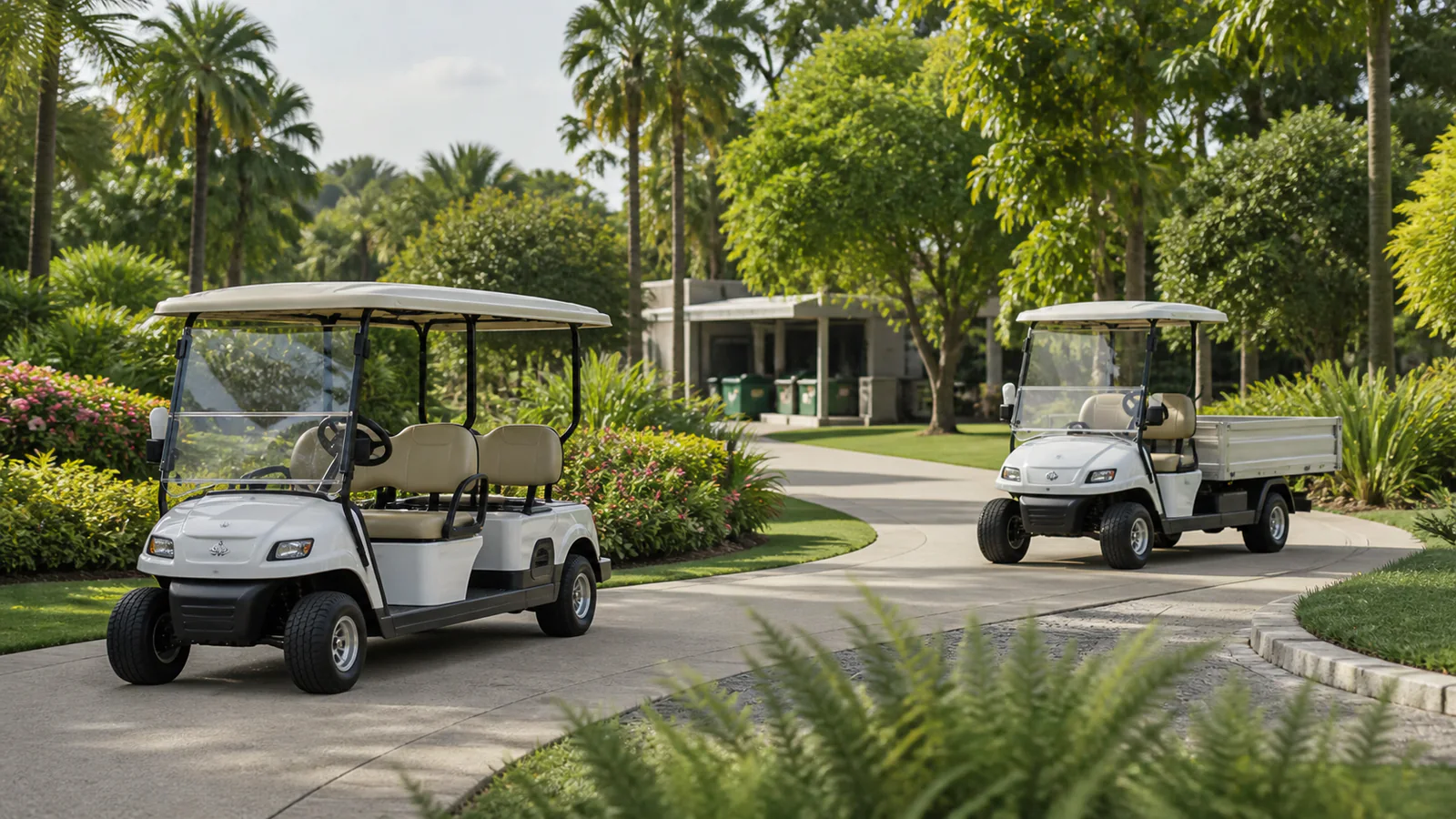
Golf carts and resort vehicles
Motive power for passenger and service carts operating across golf courses, resorts and hospitality sites.
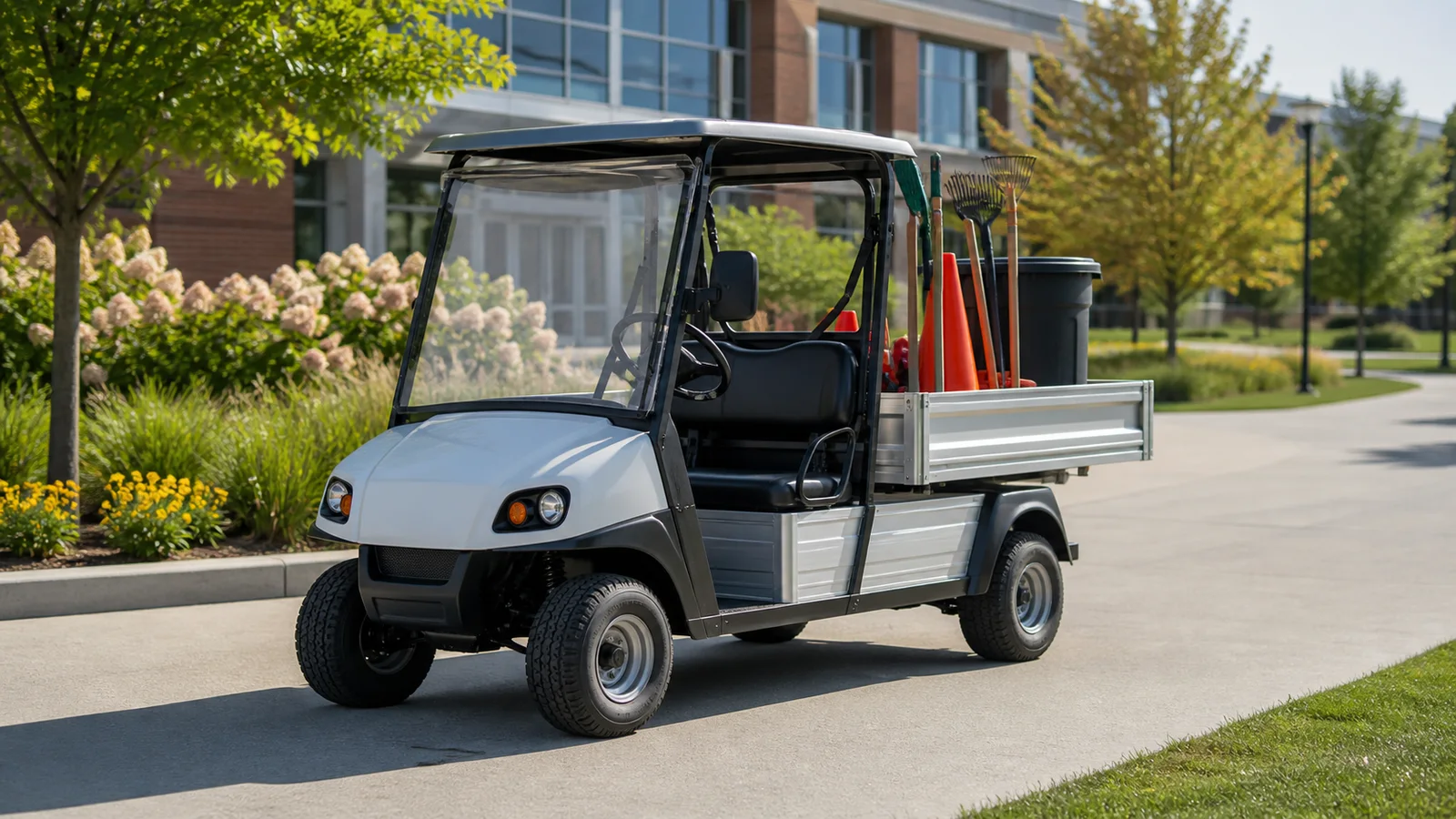
Utility and campus mobility
Battery configurations for vehicle platforms serving campuses, facilities and other managed sites.
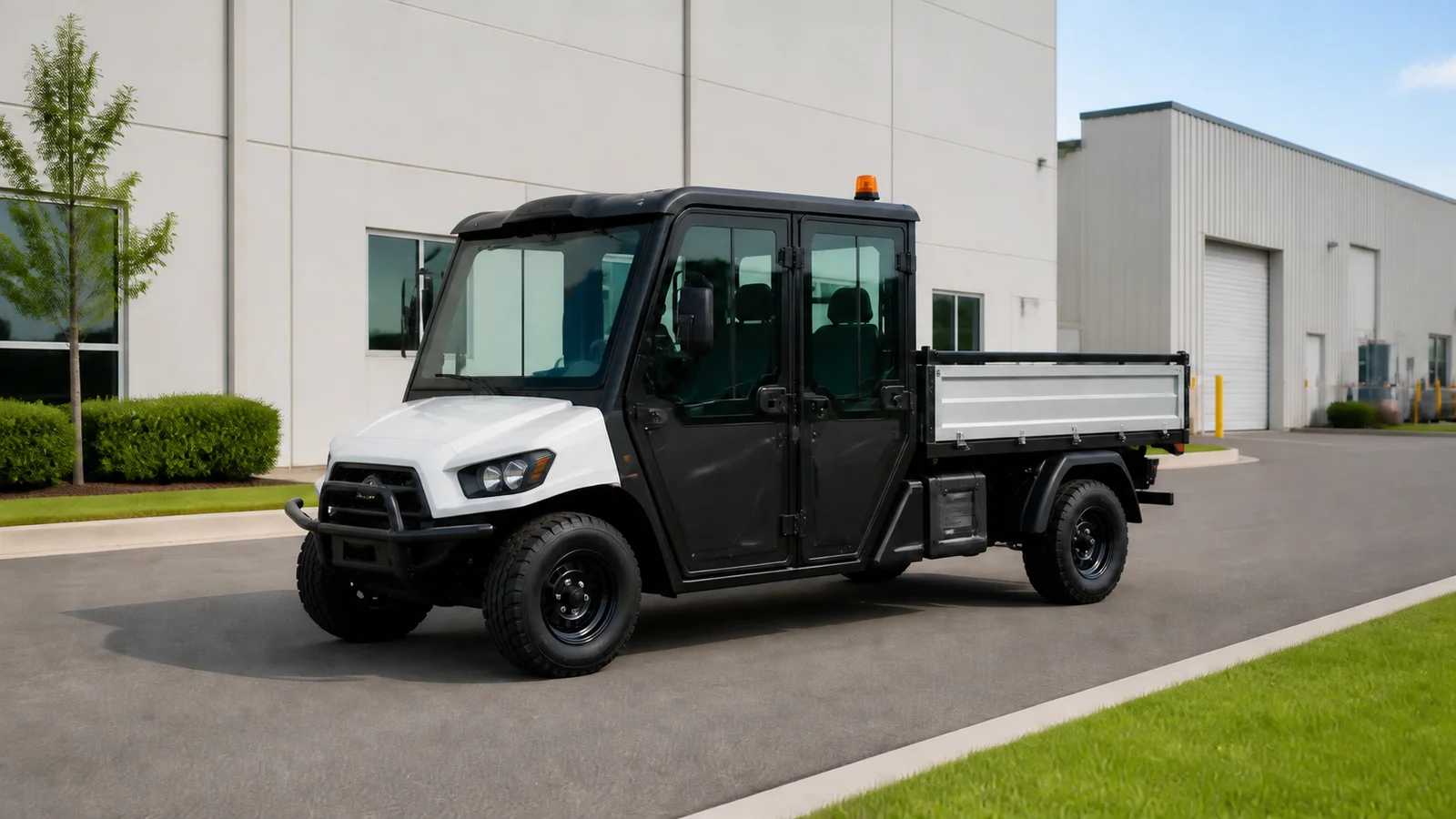
Higher-capacity specialty vehicles
The 300Ah configuration provides a higher-energy option where vehicle duty cycle and packaging permit.
Engineering scope
One family, configurable layers.
Product features
- Integrated BMS protection functions
- More than 5,000 cycles
- Discharge operating range from -20°C to 60°C
- Maintenance-free LiFePO4 operation
Customization
- Capacity and system configuration
- Enclosure size and mounting coordination
- Vehicle communication and charger coordination
Product advantages
Core advantages.
Related products
Electric Tractor Batteries
Heavy-duty 96V LiFePO4 battery systems from 33.6 kWh to 67.2 kWh for electric tractors and agricultural equipment.
33.6–67.2 kWhView product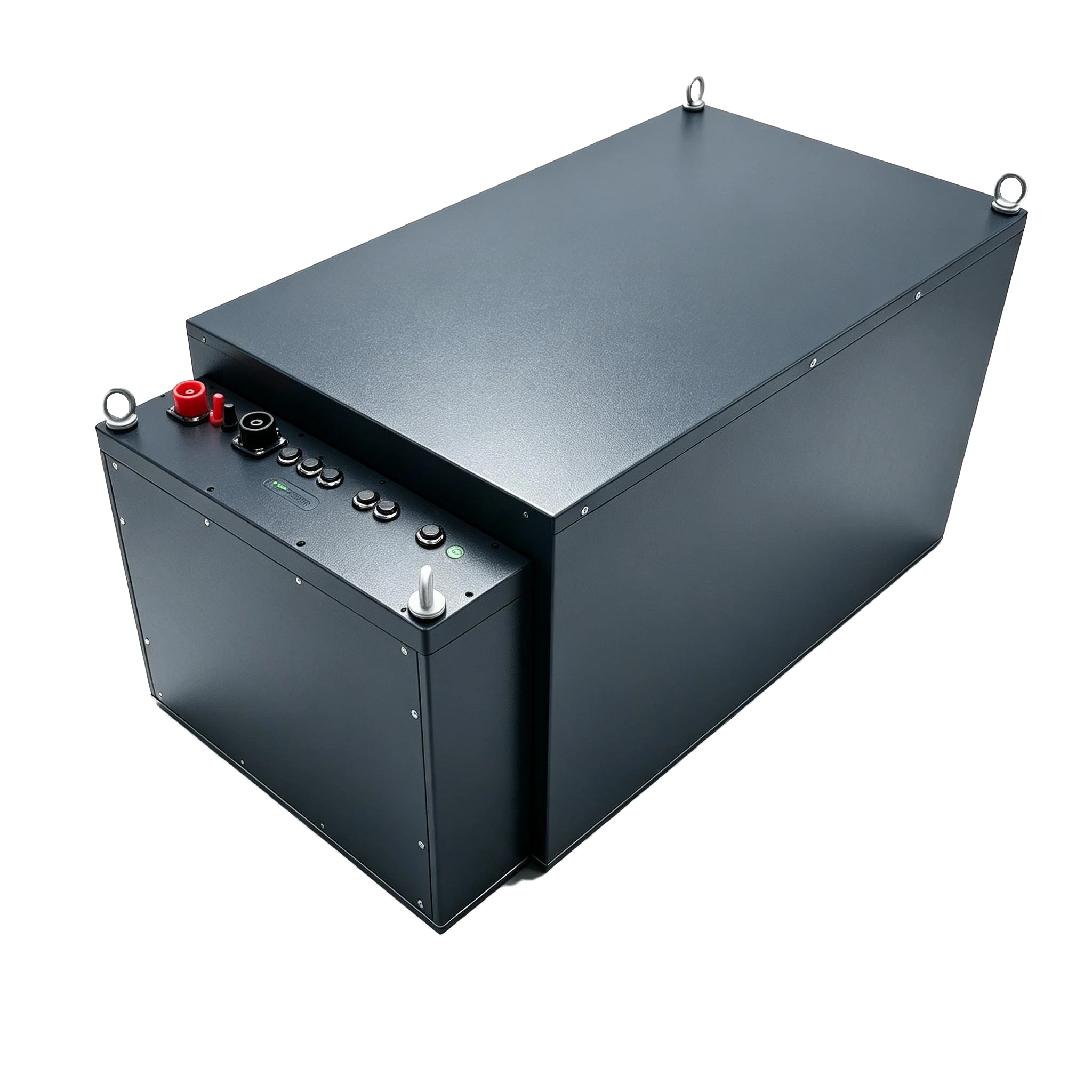
Electric Tricycle Batteries
76V / 76.8V IP67 LiFePO4 battery packs in 100Ah and 125Ah configurations for electric tricycles, golf carts and related light utility vehicles.
7.6–9.6 kWhView product