
YAHUA Outdoor Cabinet Series Y241 / Y261
Commercial & Industrial ESS Cabinets
Integrated outdoor LiFePO4 energy-storage cabinets in 50 kW / 241 kWh air-cooled and 125 kW / 261 kWh liquid-cooled configurations.
Product overview
Built around the application.
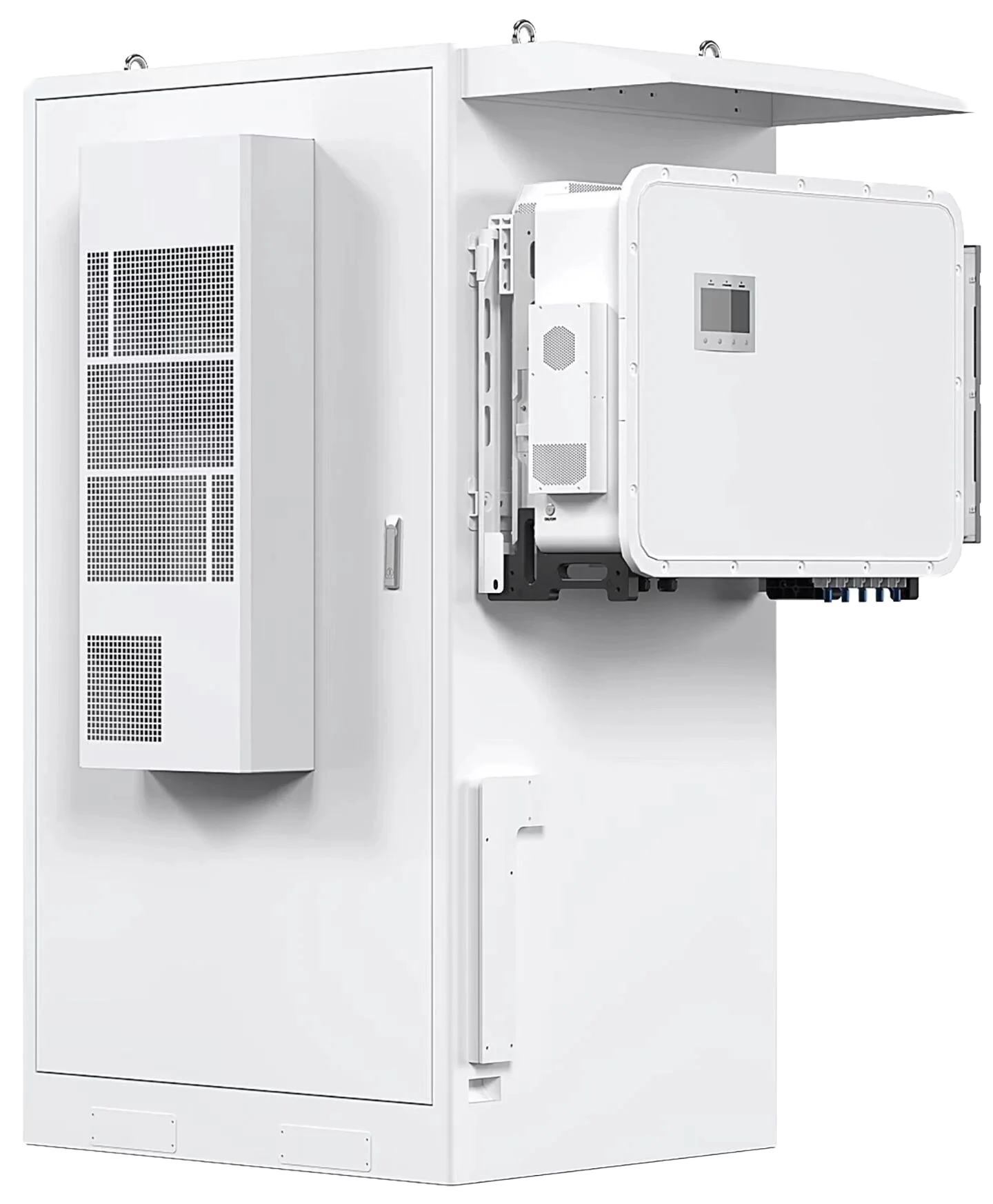
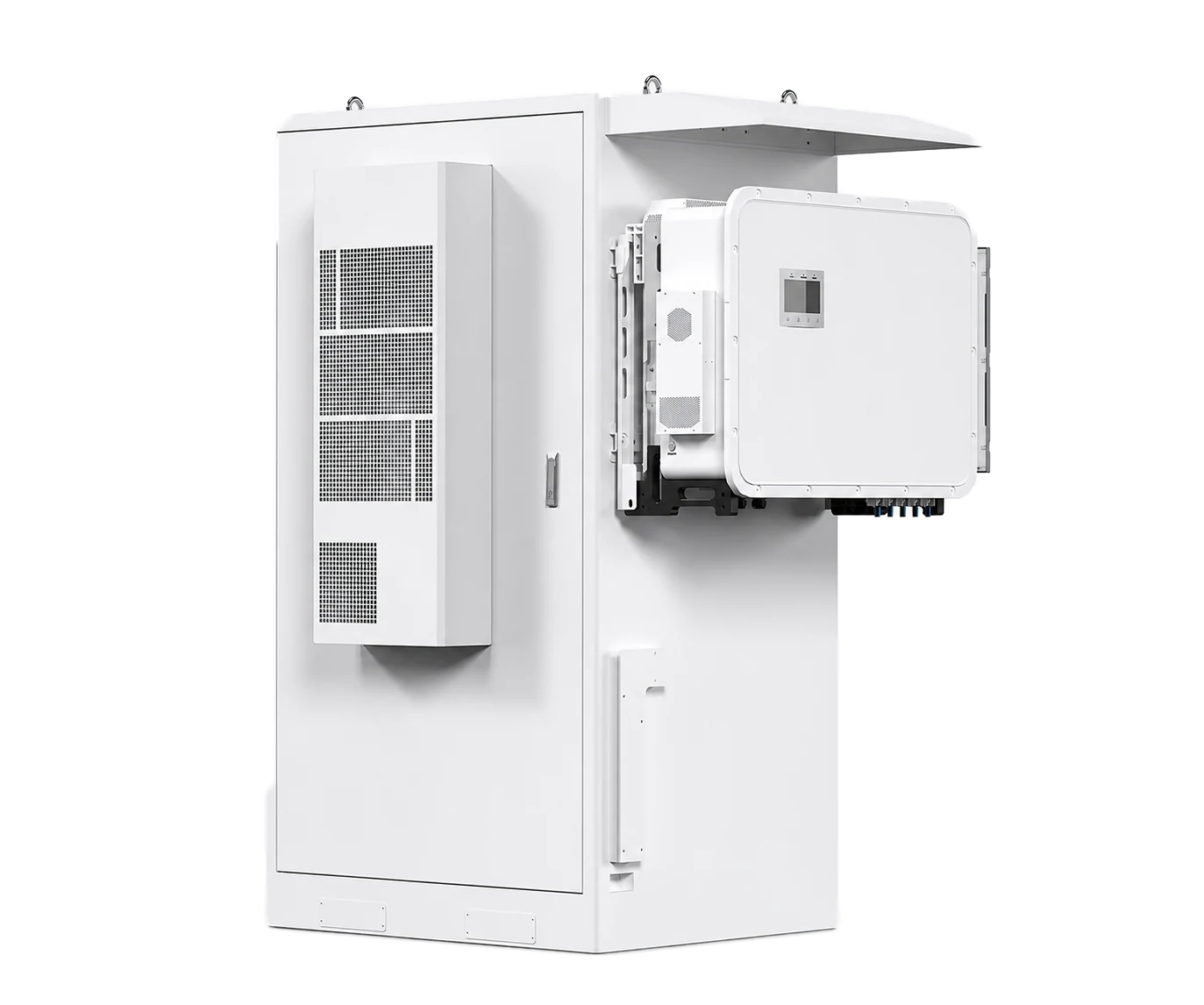
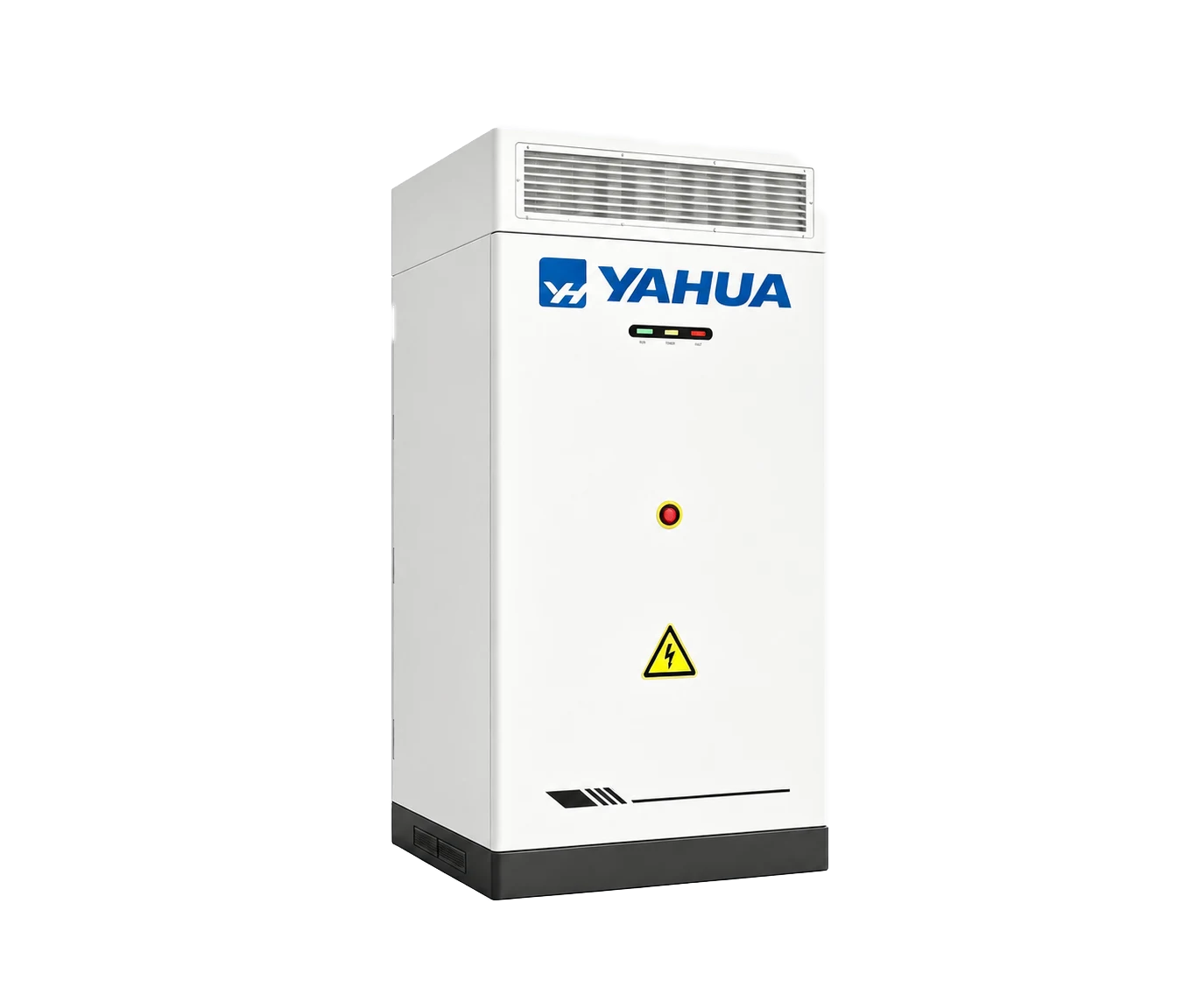
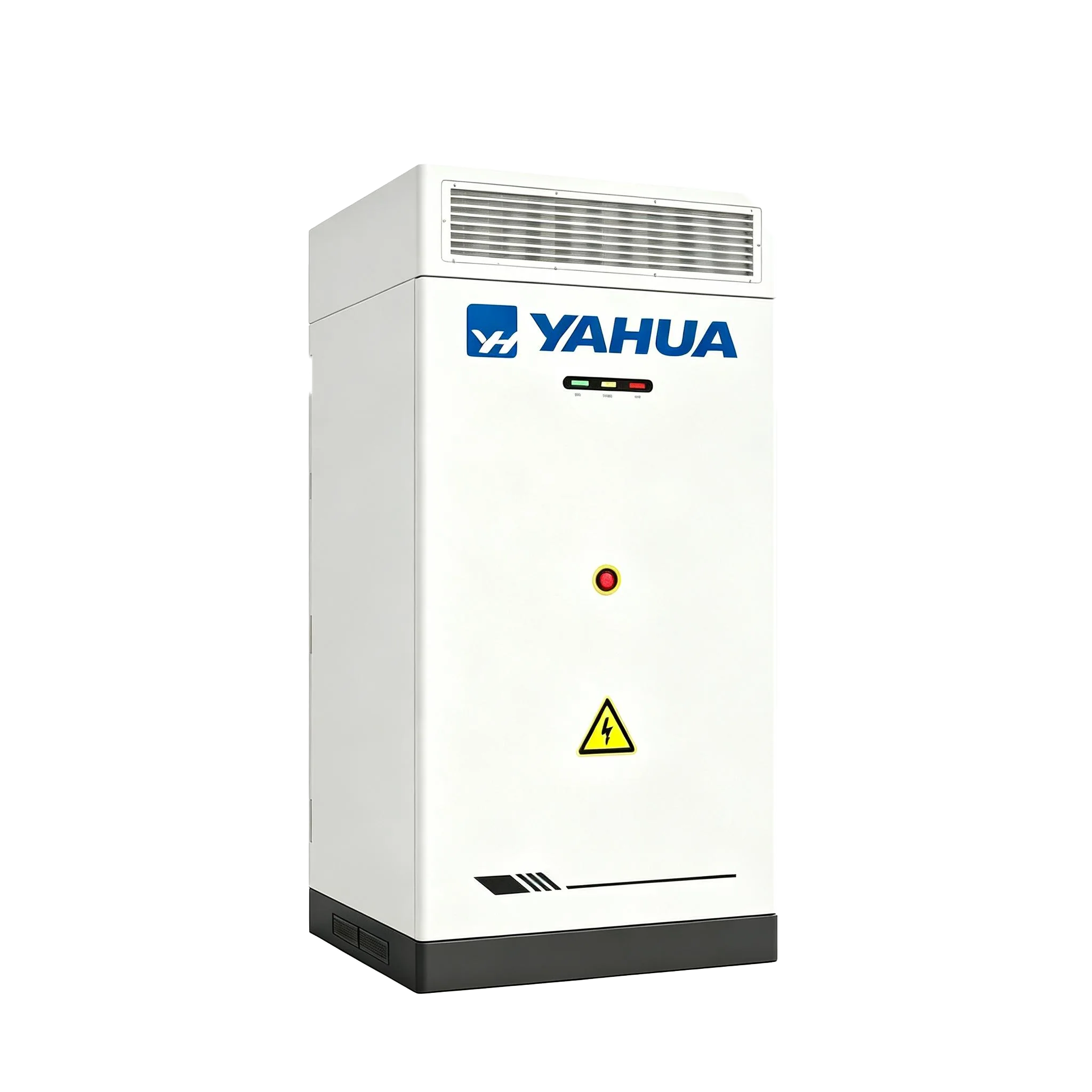
The YAHUA Outdoor Cabinet Series combines long-life LiFePO4 batteries, intelligent battery management, power conversion, preventive safety, power distribution and thermal management in an integrated commercial and industrial energy-storage platform.
Choose Y241 where a 50 kW / 241 kWh air-conditioned cabinet matches the project requirement, or Y261 where a 125 kW / 261 kWh liquid-cooled configuration is required. Final selection should be based on the site load profile, grid connection, photovoltaic input, backup duration, operating environment and applicable local standards.
Integrated cabinet architecture
Long-life battery modules, BMS, PCS, preventive safety, power distribution and thermal management are coordinated in one outdoor system.
Model-specific thermal management
Y241 uses air-conditioning while Y261 uses liquid cooling, allowing selection around power, energy and site requirements.
Parallel expansion
Supports up to 20 parallel units and a system capacity of up to 2 MW / 4.8 MWh; final model-specific sizing requires application engineering.
Environmental adaptability
An IP55 steel enclosure supports operation from -20°C to 50°C and installation at elevations up to 3,000 m.
Product features
System advantages
Safety and reliability
LFP chemistry, preventive monitoring, aerosol fire suppression and compartment protection provide layered system protection.
Cost efficiency
High conversion efficiency and variable-frequency cooling help reduce auxiliary energy consumption.
Smart operation
Peak shaving, load management and remote monitoring support unattended site operation.
Easy expansion
Factory pre-commissioning and parallel operation support phased multi-unit expansion.
Product features
System advantages
Safety and reliability
LFP chemistry, preventive monitoring, aerosol fire suppression and compartment protection provide layered system protection.
Cost efficiency
High conversion efficiency and liquid cooling help manage auxiliary energy consumption.
Smart operation
Peak shaving, load management and remote monitoring support unattended site operation.
Easy expansion
Factory pre-commissioning and parallel operation support phased multi-unit expansion.
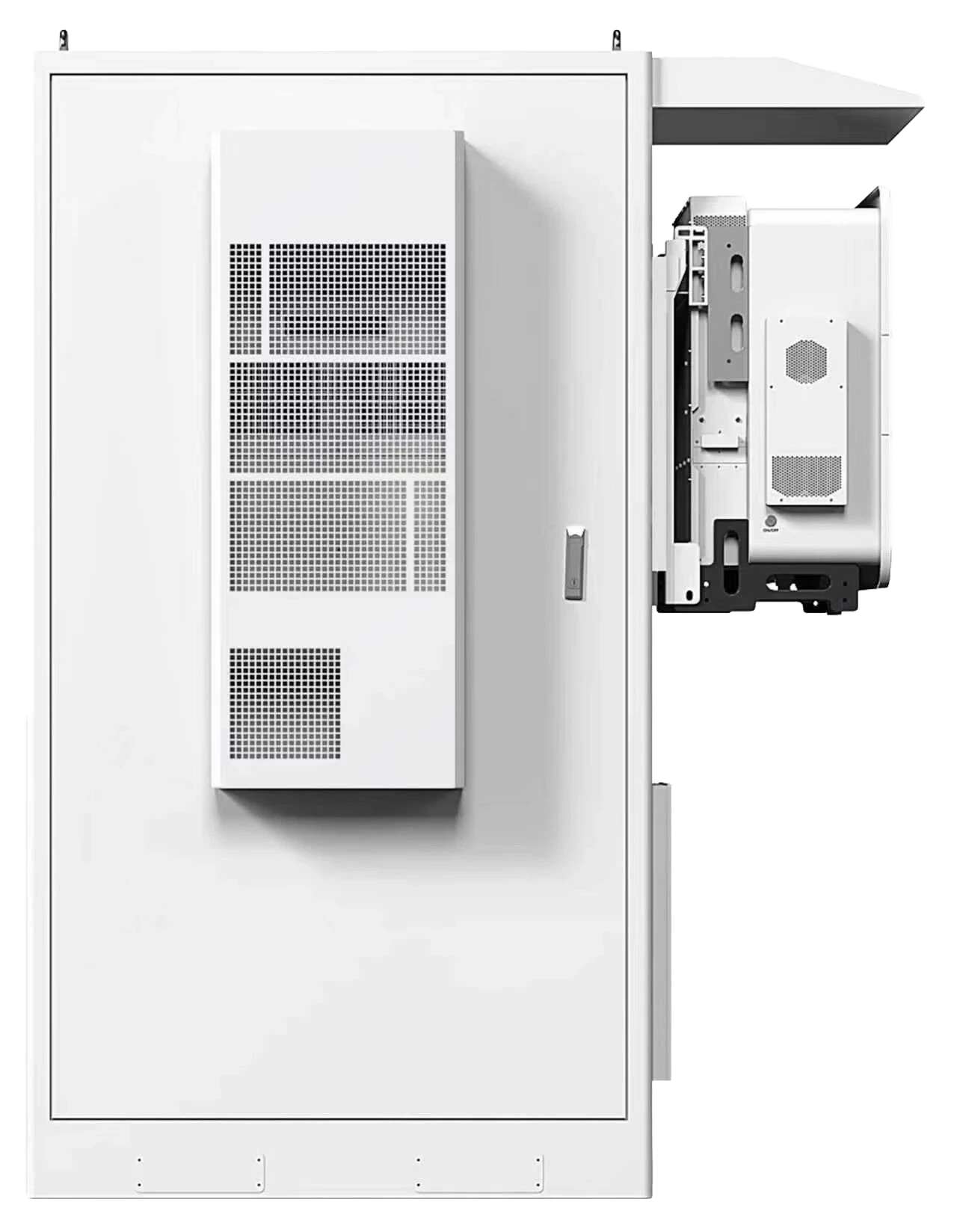
Product views
View the selected model.
Additional product views are shown where available for the selected model.
Product parameters
Model-specific specifications.
Compare the model-specific electrical, mechanical and operating parameters. Final configuration remains subject to application engineering.
Primary product parameters
- AC rated power
- 50 kW
- AC rated output voltage
- AC 400V (-15% to +15%)
- Battery rated energy
- 241 kWh at RT, 0.5C, BOL
- Battery type
- LiFePO4 lithium battery
- Maximum conversion efficiency
- 99%
- Grid type
- 3L + N + PE
- Rated frequency
- 50 Hz
- Cooling method
- Air conditioner
- Maximum PV access power
- 100 kW
- Weight
- About 3,000 kg
- Dimensions (L × W × H)
- 1,600 × 1,000 × 2,160 mm
Additional electrical details
- Rated power option
- 50 kW
- Nominal / stored energy
- 241 kWh
- Rated AC voltage
- AC 380/400V (-15% to +15%); AC 400V in the primary specification
- Battery DC voltage
- 768 Vdc
- Capacity
- 314Ah
- Maximum DC power
- 50 kW
- Charge / discharge rate
- Supports 1C
- MPPT voltage range
- 150–850V
- Maximum PV input voltage
- 1,000V
Protection, operation and monitoring
- Cycle life
- More than 6,000 cycles
- Casing material
- Steel
- Protection rating
- IP55
- Communication
- Ethernet · 4G · RS485 · CAN
- Monitoring
- PC · cloud
- Noise level
- ≤60 dB
- Overload capacity
- 110% continuous
- Fire protection
- Aerosol firefighting
Primary product parameters
- AC rated power
- 125 kW
- AC rated output voltage
- AC 400V (-15% to +15%)
- Battery rated energy
- 261 kWh at RT, 0.5C, BOL
- Battery type
- LiFePO4 lithium battery
- Maximum conversion efficiency
- 99%
- Grid type
- 3L + N + PE
- Rated frequency
- 50 Hz
- Cooling method
- Liquid cooling
- Maximum PV access power
- 250 kW
- Weight
- About 3,100 kg
- Dimensions (L × W × H)
- 1,300 × 1,000 × 2,335 mm
Additional electrical details
- Rated power option
- 125 kW
- Nominal / stored energy
- 261 kWh
- Rated AC voltage
- AC 380V (-15% to +15%); AC 400V in the primary specification
- Battery DC voltage
- 832 Vdc
- Capacity
- 314Ah
- Maximum DC power
- 125 kW
- Charge / discharge rate
- Supports 1C
- MPPT voltage range
- 150–850V
- Maximum PV input voltage
- 1,000V
Protection, operation and monitoring
- Cycle life
- More than 6,000 cycles
- Casing material
- Steel
- Protection rating
- IP55
- Communication
- Ethernet · 4G · RS485 · CAN
- Monitoring
- PC · cloud
- System weight
- 3,200 kg in the detailed specification; approximately 3,100 kg in the primary specification
- Noise level
- ≤70 dB
- Overload capacity
- 110% continuous
- Fire protection
- Aerosol firefighting
Applications
Where this family fits.
Model selection should follow the real load, duty cycle, interface, installation environment and destination-market requirements.
Peak shaving and load optimization
Charge and discharge scheduling can shift energy use across tariff periods and manage site demand.
Solar-storage-charging integration
PV input and optional MPPT integration support coordinated generation, storage and charging systems.
Commercial and industrial backup power
Configure critical-load support around the site's load profile, required backup duration and grid conditions.
Grid-connected or emergency off-grid operation
Supports grid-connected operation and optional off-grid emergency backup, subject to project engineering.
Engineering scope
One family, configurable layers.
Product features
- Integrated EMS, PCS and BMS architecture
- Optional MPPT and photovoltaic input configuration
- PC and cloud monitoring
- Ethernet, 4G, RS485 and CAN communication
- LFP batteries, aerosol fire suppression and compartment protection
- Cycle life above 6,000 cycles
Customization
- Grid-connected or emergency off-grid architecture
- PV input and MPPT configuration
- Monitoring and communication interfaces
- Parallel system sizing and site integration
Product advantages