

With the accelerated implementation of the global new energy industry in 2026, lithium iron phosphate (LFP) batteries have firmly secured their position as the mainstream solution for power batteries, industrial & commercial energy storage, household energy storage, and mobile emergency power supplies, relying on three core strengths: high safety, long cycle life, and low cost. Domestic statistics show that the total domestic power battery installed capacity reached 187.2 GWh from January to April this year, with LFP accounting for as high as 80%. Globally, the LFP installed capacity hit 128.1 GWh in Q1, capturing over 56.8% of the global market share and continuously squeezing the market space of ternary lithium batteries. The industry has cast off its low-end label, and the fifth-generation technologies centered on high-compaction materials, liquid-cooled thermal management, fast charging modification and system integration have been fully mass-produced and applied.
I. Clear Iteration Roadmap for Five Generations of LFP Materials
The industry has established a distinct generational upgrade system. The third-generation products remain mainstream with over 60% market share, the fourth-generation high-compaction materials are supplied in batches, and the fifth-generation ultra-high-compaction LFP is undergoing large-scale mass production verification.
3rd-Generation Conventional LFP: Compaction density ranges from 2.22.4g/cm³ with 30004000 charge-discharge cycles, widely used in entry-level energy storage and low-speed electric vehicles.
4th-Generation High-Compaction LFP: Compaction density reaches 2.55~2.68g/cm³. Benefiting from particle gradation and carbon coating technologies, its energy density rises by 6%~8%. Currently, it is the dominant material for high-end household and industrial energy storage products.
5th-Generation Ultra-High-Compaction LFP: Compaction density ≥2.7g/cm³. Adopting multi-ion doping, secondary sintering and spherical particle regulation, its cell energy density exceeds 205Wh/kg and can peak at 230Wh/kg, comparable to low-end ternary lithium batteries. It supports 4C~6C ultra-fast charging, shortening the charging duration from 10% to 70% to less than 4.5 minutes.
At present, high-end 4th-generation materials are in sustained tight supply, while the penetration rate of 5th-generation LFP is expected to exceed 30% by the end of 2026, fundamentally solving the long-standing weakness of low energy density in traditional LFP batteries.
II. Expanding Application Scenarios & Explosive Growth in Overseas Markets
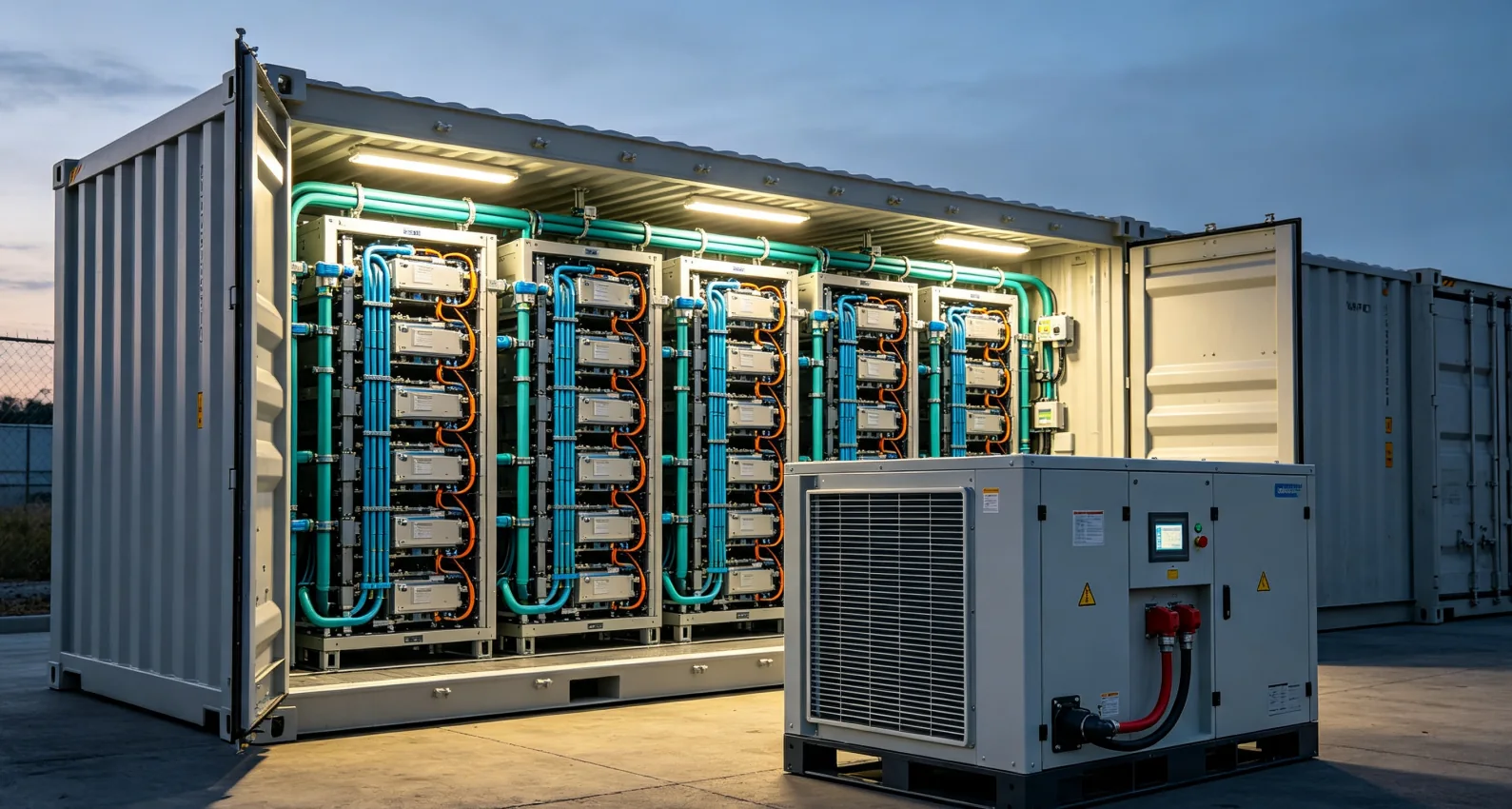
Energy Storage Field: Large-capacity cells, cell-to-pack (CTP) module-free design and integrated liquid cooling have become standard configurations. Cells above 500 Ah are the preferred choice for industrial & commercial energy storage, and the single capacity of containerized energy storage systems has been upgraded to 6.25 MWh. Demand for liquid-cooled LFP energy storage equipment in high-temperature regions such as the Middle East and Southeast Asia has doubled year-on-year.
Power Battery Field: LFP batteries are widely adopted in passenger vehicles and commercial transport vehicles. Integrated structures like blade batteries and Kirin batteries amplify the lifespan advantages of LFP, enabling commercial vehicle batteries to serve steadily for 8~10 years.
Backup & Mobile Energy Storage: LFP portable energy storage products are rapidly replacing diesel generators in outdoor construction, mining areas and off-grid regions, boasting prominent advantages in economy and environmental protection.
III. Core Development Directions in the Next 3 Years
Material Side: Lithium manganese iron phosphate and dry-electrode LFP will be upgraded synchronously to further lift energy density and cut production costs.
System Side: Air cooling will be gradually phased out, and liquid-cooled thermal management will gain full popularity. Integrated PACK & PCS design will become the standard solution for industrial & commercial energy storage.
Intelligent Upgrade: Refined BMS management, cloud-based AI intelligent scheduling and full-lifecycle fault early warning will be popularized to extend battery service life.
Safety Optimization: Tripartite protection consisting of intrinsic material optimization, thermal insulation structure and active early warning will be upgraded to meet stringent requirements of the latest national battery safety standards.
In the long run, LFP batteries will maintain a dominant position in energy storage and civil power batteries. Technological upgrading, global delivery capacity and refined service will become the core competitiveness of energy storage enterprises.