

Manage peaks
Storage can support peak-load management where site tariffs and operating patterns make it relevant.
Application solution
Battery platforms for commercial solar integration, backup and site-level energy management.
Discuss this application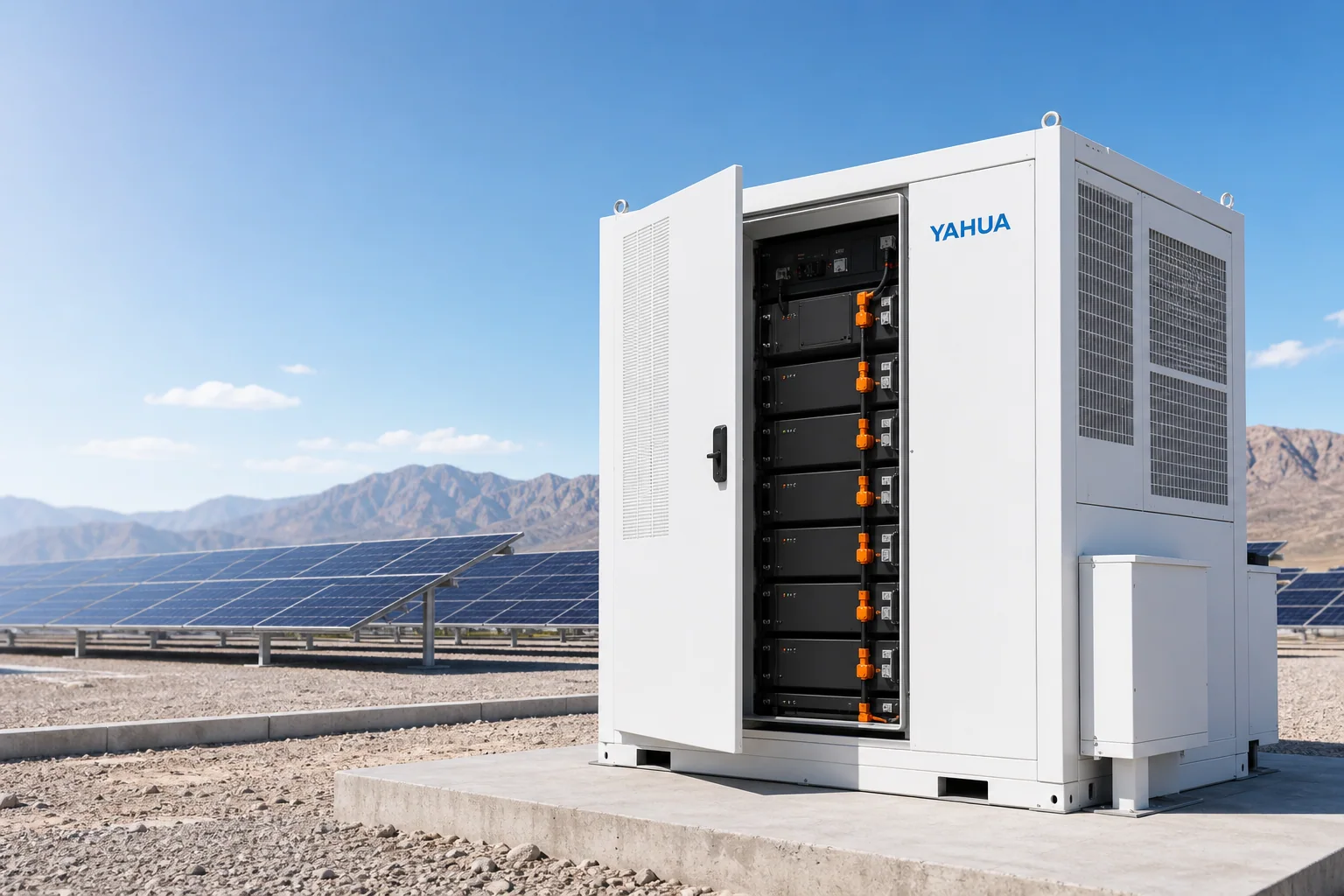
What the system can enable
Storage can support peak-load management where site tariffs and operating patterns make it relevant.
Shift renewable generation toward the hours when the facility needs it.
Define critical operations, power level and required duration before configuring backup support.
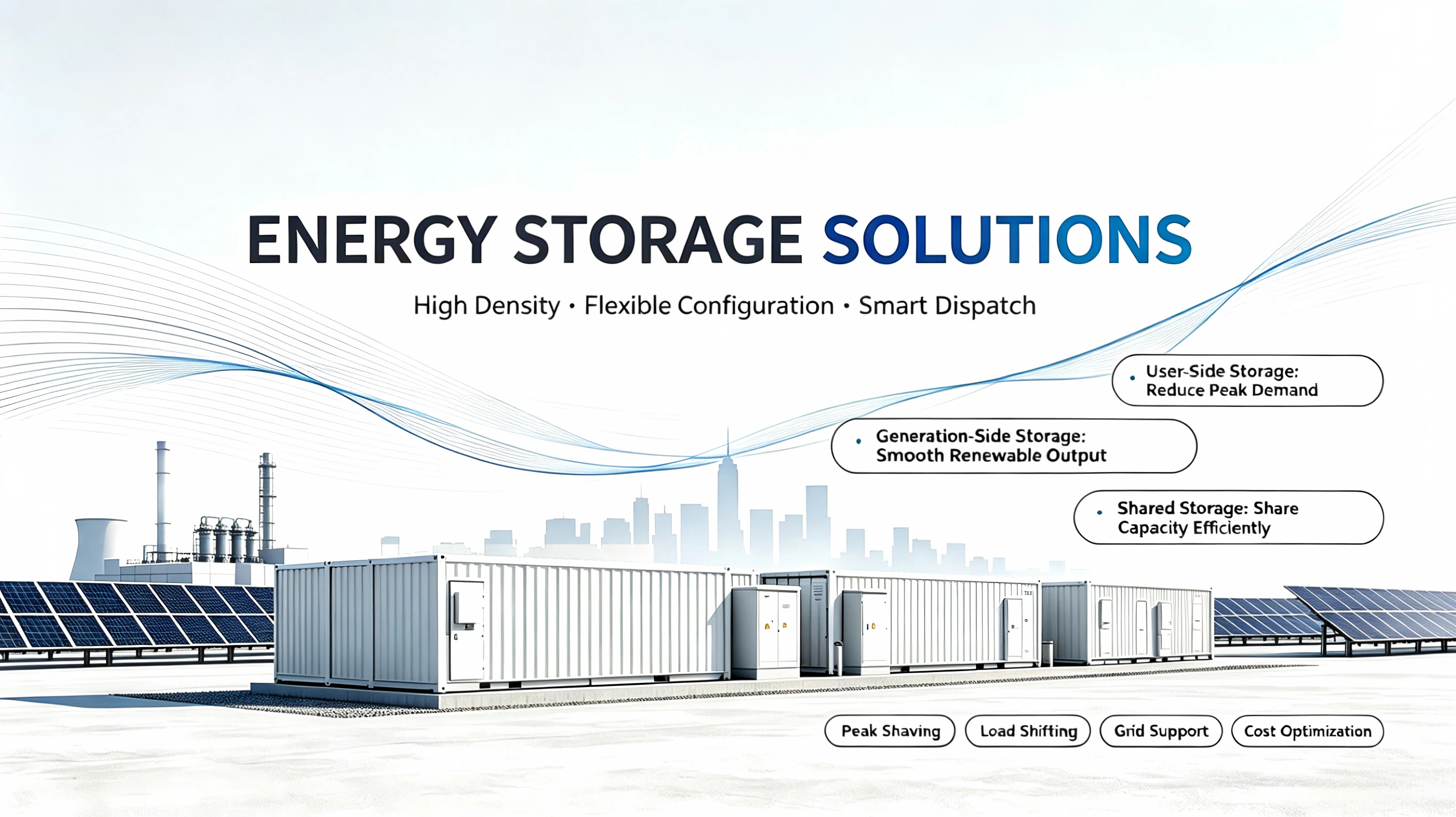
Application illustration. Capacity, dispatch mode and economic outcome depend on the site load profile and operating strategy. Open the image at full resolution.
Solution context
Commercial and industrial storage can support user-side, generation-side and shared-storage applications. Typical objectives include improving the use of on-site solar, managing short demand peaks, shifting energy use, supporting selected operations during interruptions and creating more flexibility around constrained site capacity. The relevant value depends on the tariff structure, load profile, grid rules and operating priorities of the site.
Every project should begin with interval load data, available solar generation, site conditions, switchgear and power-conversion architecture. Critical loads and required backup duration should be separated from general facility demand so the system is not sized around assumptions.
The final design must coordinate battery cabinets, power conversion, intelligent scheduling or energy management, protection, communications and installation responsibilities. Any grid-support function, cost projection or performance result should be prepared for the specific site rather than treated as a universal product claim.
Buyer needs
Solution priorities
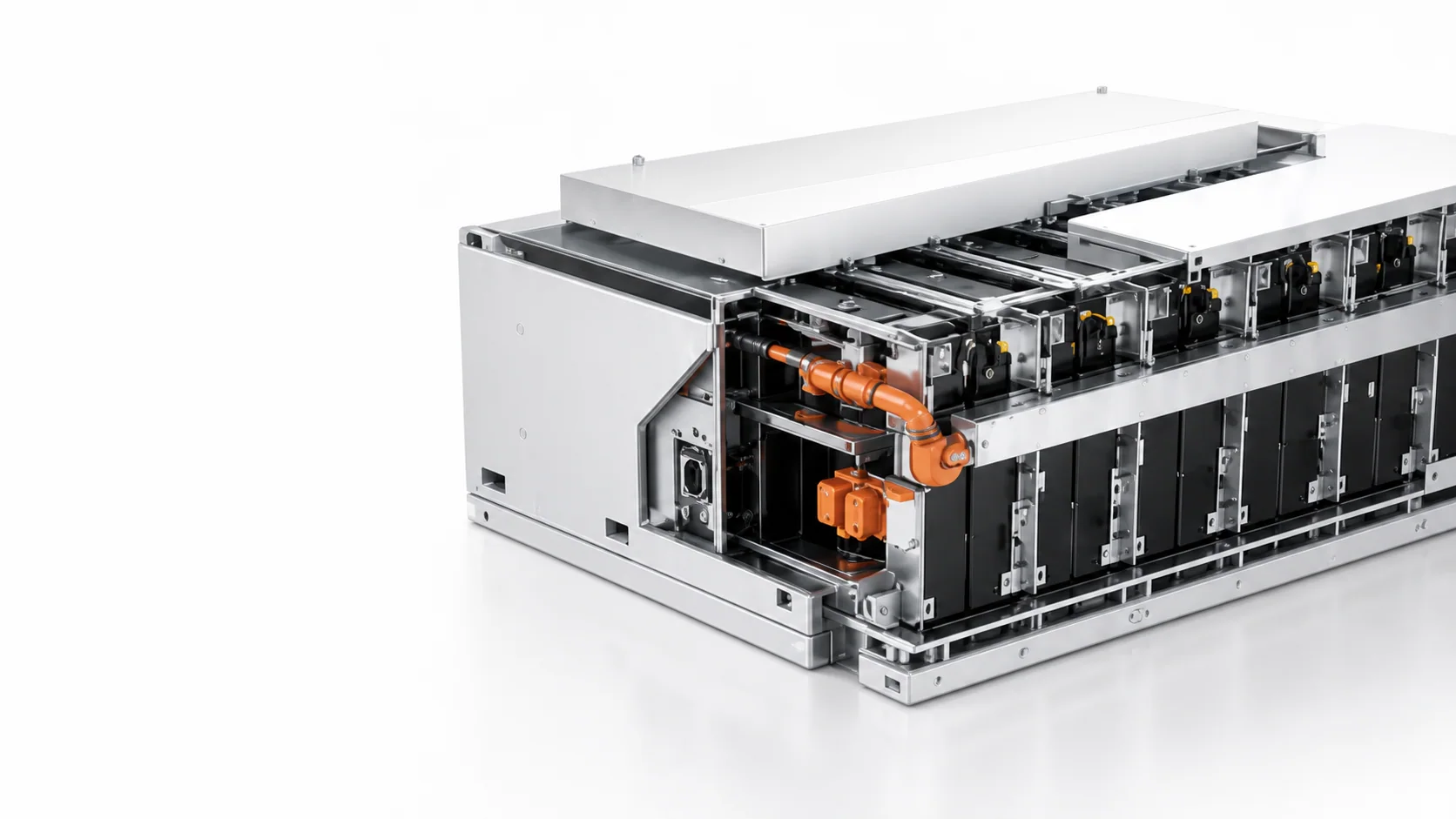
System definition
Capacity, power, charging source, inverter or host equipment, controls and enclosure must be coordinated to suit the site conditions.
Recommended platforms
Final suitability depends on the complete project specification and model data.
Integrated outdoor LiFePO4 energy-storage cabinets in 50 kW / 241 kWh air-cooled and 125 kW / 261 kWh liquid-cooled configurations.
241–261 kWhView product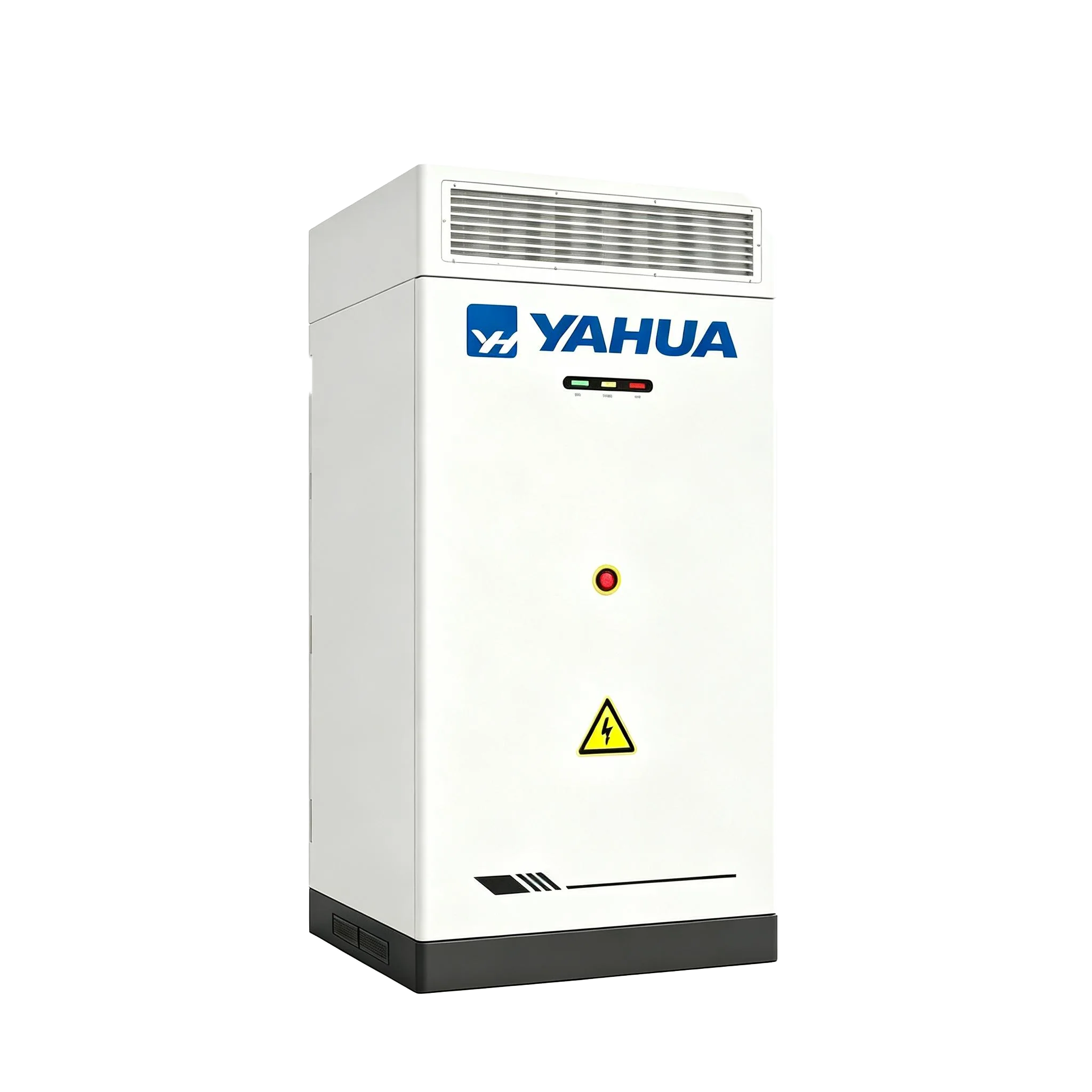
Removable rack-mounted LiFePO4 battery systems for residential, small-commercial and industrial integration, with five configurations from 40.96 to 102.4 kWh per cluster.
40.96–102.4 kWh per clusterView product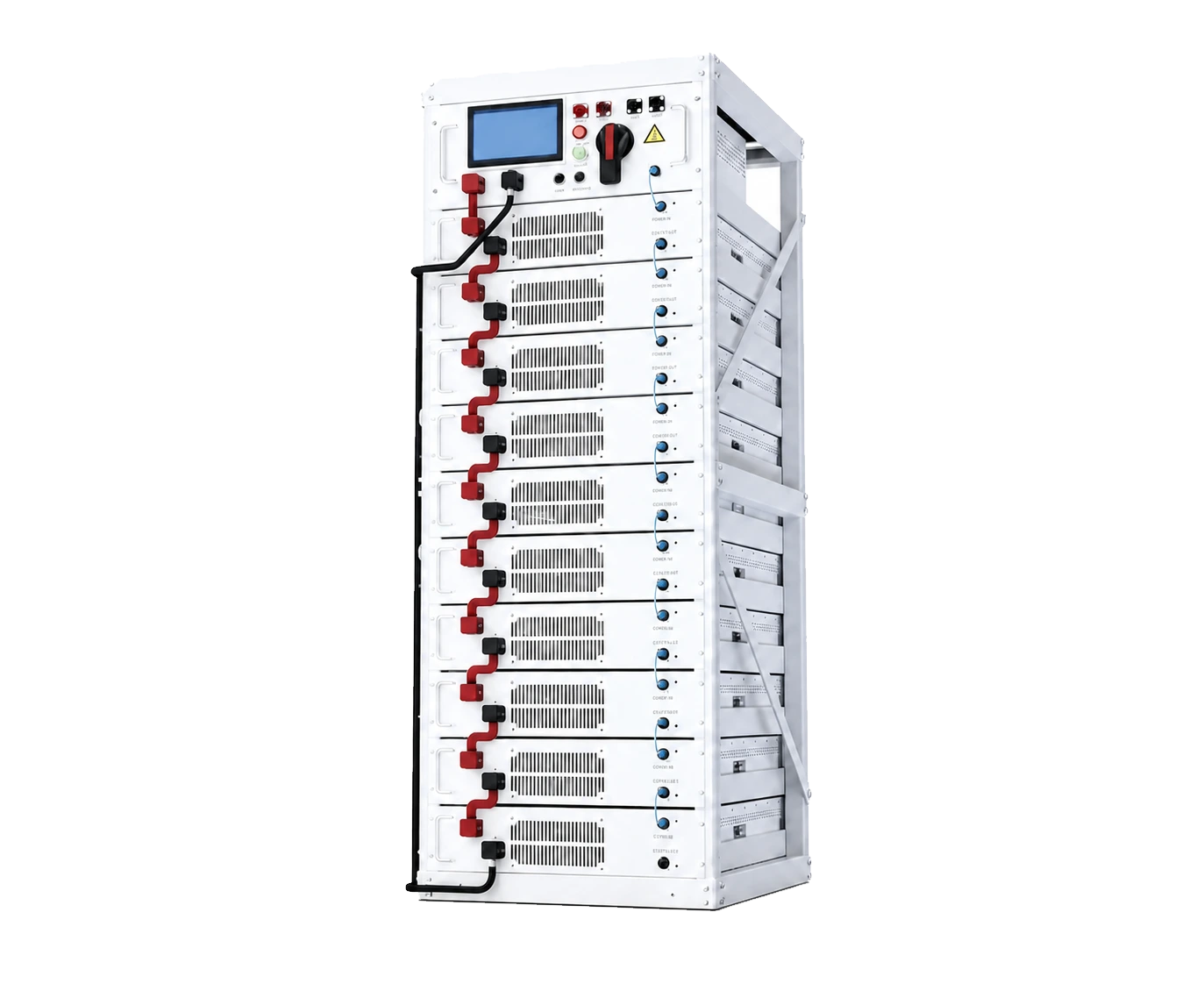
Share your application and requirements so our team can prepare for a technical discussion.