

Move where needed
Configure the transport format around temporary operations, project sites and remote equipment.
Application solution
Configurable LiFePO4 systems for EV charging support, temporary operations, emergency power and remote applications.
Discuss this application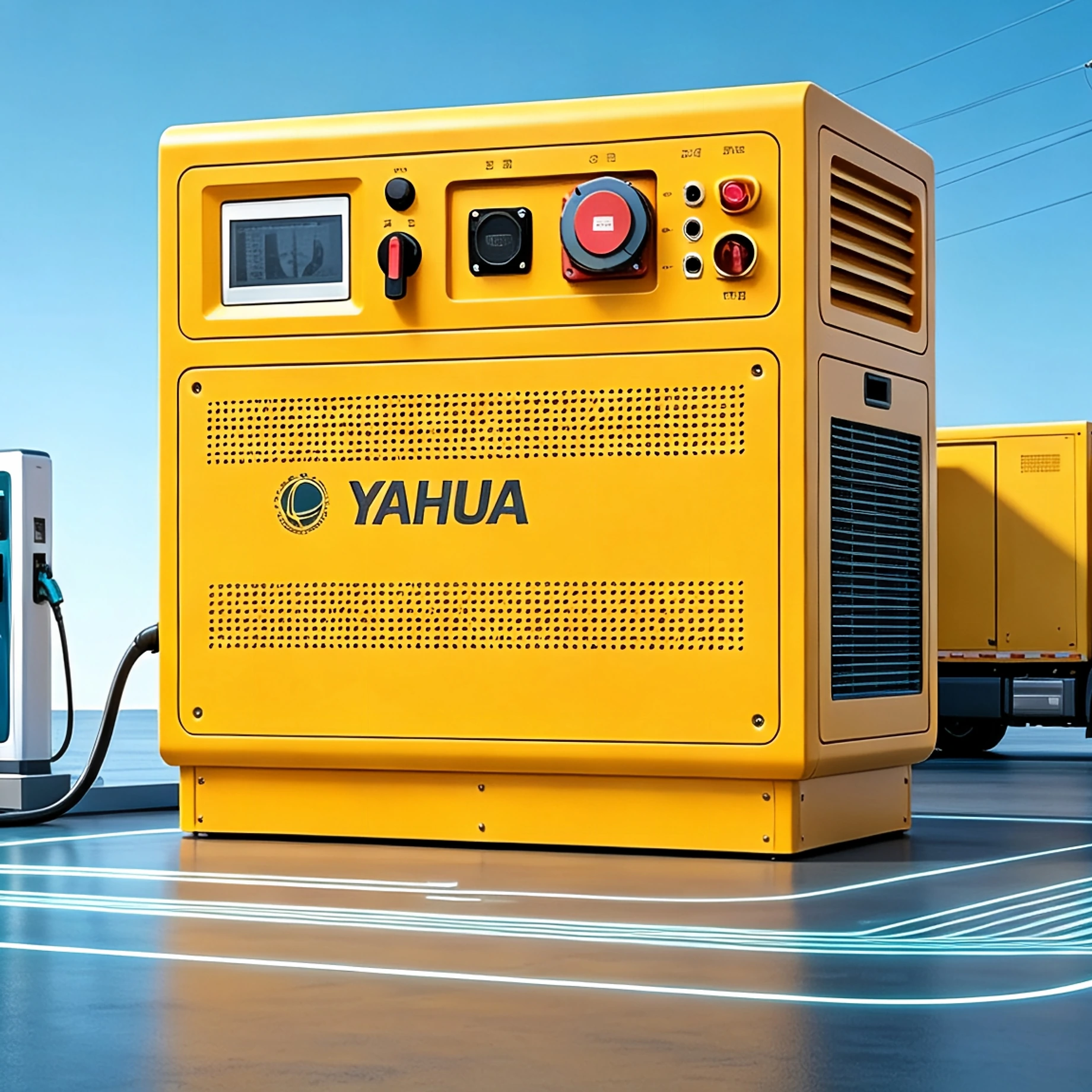
What the system can enable
Configure the transport format around temporary operations, project sites and remote equipment.
Define EV-charging or equipment-charging requirements against the approved output configuration.
Coordinate emergency support, grid interaction and transfer requirements around the duty cycle.
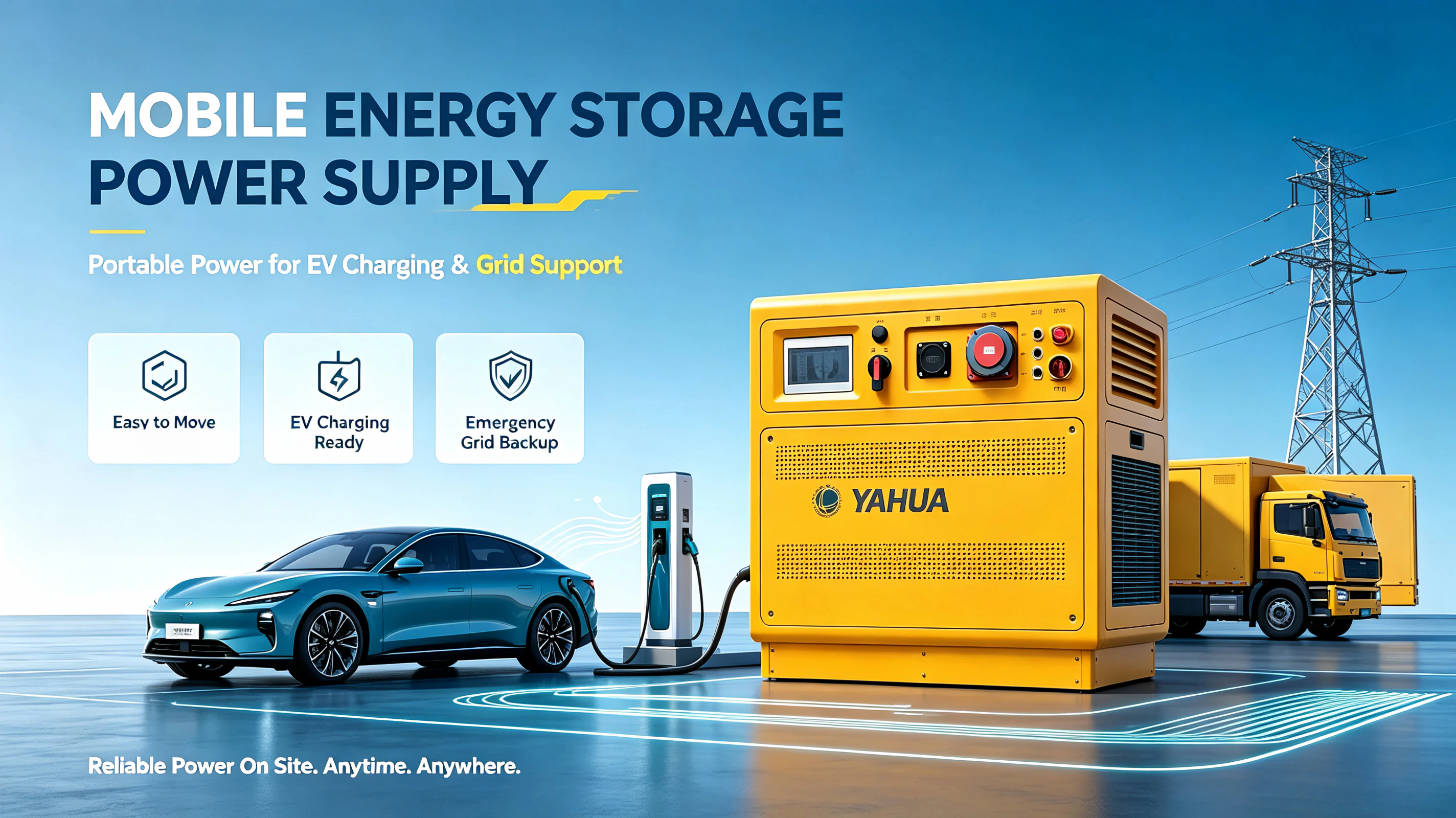
Portable Power for EV Charging & Grid Support
Application illustration. PCS, EMS, switching and output functions depend on the selected system configuration. Open the image at full resolution.
Solution context
Mobile and portable storage brings battery-based power to locations where a permanent grid connection is unavailable, inconvenient or only part of the solution. Potential applications include temporary operations, field equipment, remote work sites, EV charging support, emergency power and hybrid operation with another available energy source.
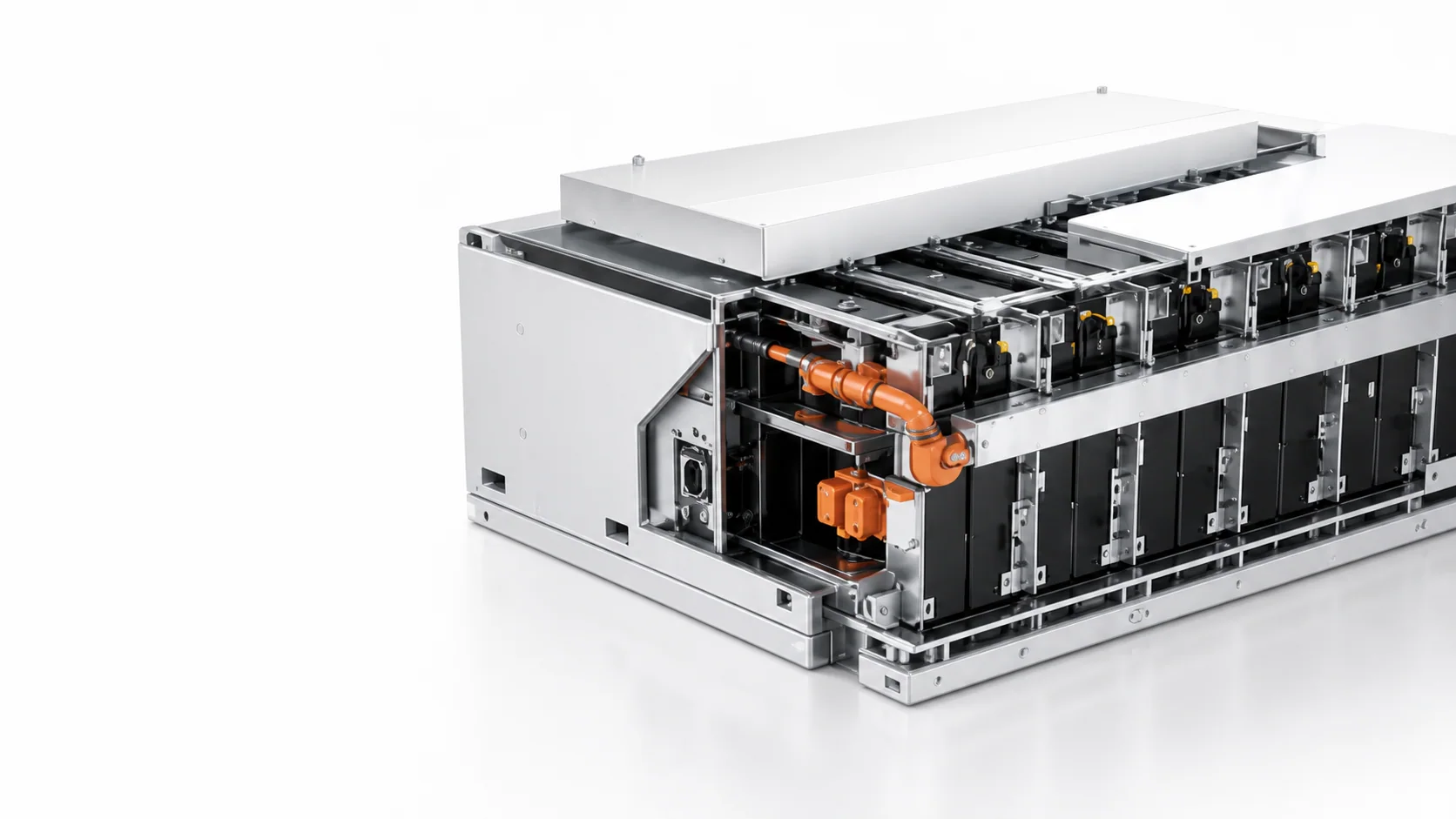
The modular LiFePO4 platform coordinates BMS, power-conversion and energy-management functions. The final platform is defined around required energy, continuous and peak power, charging method, output interfaces, transport constraints and operating conditions. Weight, lifting points, wheel or trailer format and access for service can be as important as the electrical rating.
For hybrid projects, the control strategy should define when the battery charges, when it supplies the load and when another source starts. Grid-connected or off-grid switching, real-time monitoring, data analysis and uninterrupted-power functions must be confirmed against the selected PCS, EMS, protection design and local requirements.
Buyer needs
Solution priorities
System definition
Capacity, power, charging source, inverter or host equipment, controls and enclosure must be coordinated to suit the site conditions.
Recommended platforms
Final suitability depends on the complete project specification and model data.
A high-capacity mobile energy-storage system integrating battery storage, dual PCS, STS, EMS, BMS, safety and fast-charging functions.
400 kWhView product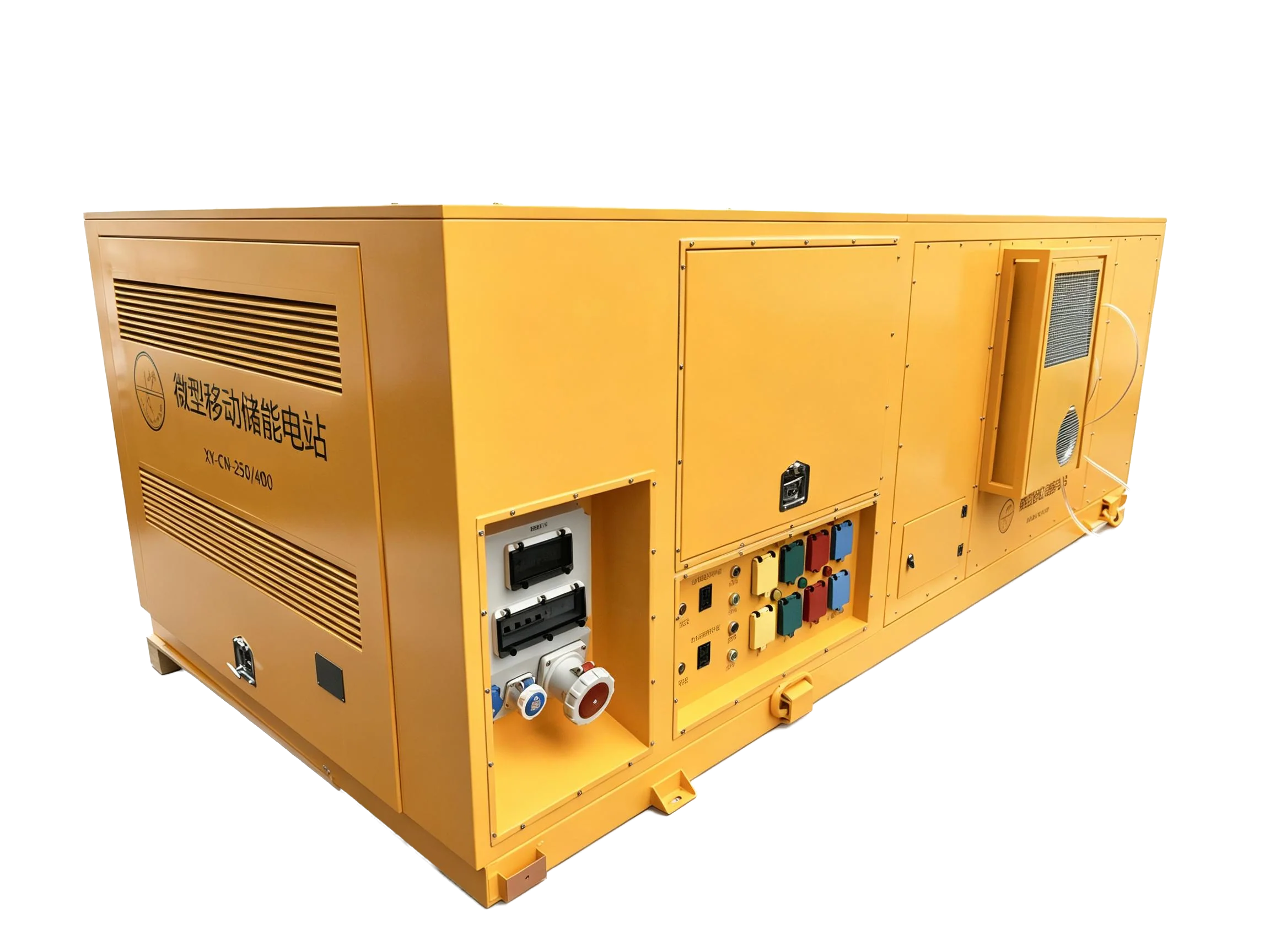
A compact vehicle-deployable energy-storage system for temporary power, emergency response, off-grid work and DC charging support.
60 kWhView product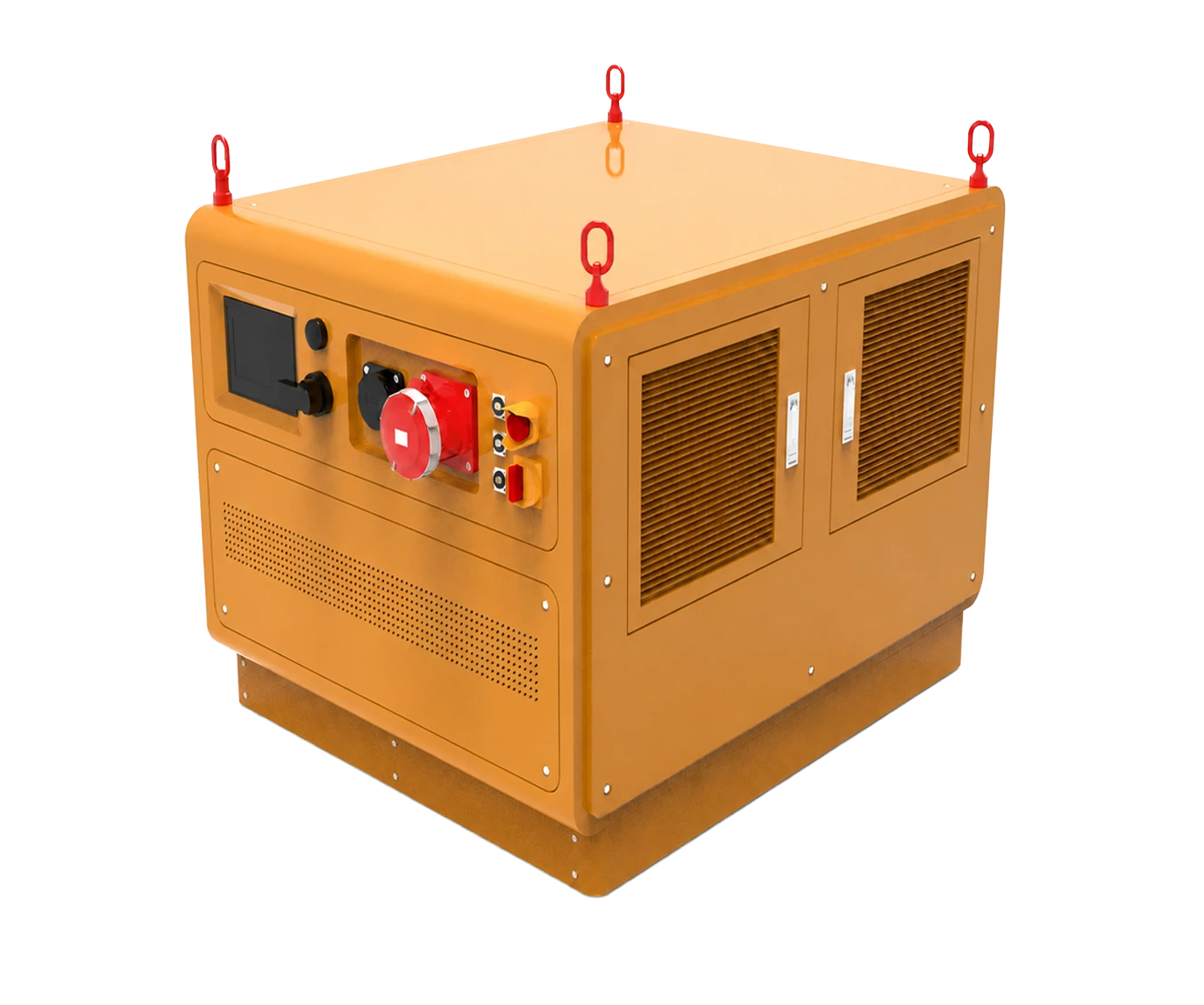
Share your application and requirements so our team can prepare for a technical discussion.